The use of mercenaries has become a popular element of warfare in recent years, with Russia leading the trend
Such was President Volodymyr Zelensky’s address to the Ukrainian people the morning after Russian missiles began raining down on Kyiv this past February. It was a declaration of defiance and a message of fortitude to a deeply frightened and uncertain nation — but it didn’t happen in front of a large, cheering crowd on a stage resplendent with national flags and patriotic emblems. This speech was given in solitude. The audience: a smartphone. But the video circulated across social media platforms rapidly, and public admiration for the now iconic war hero swelled exponentially.
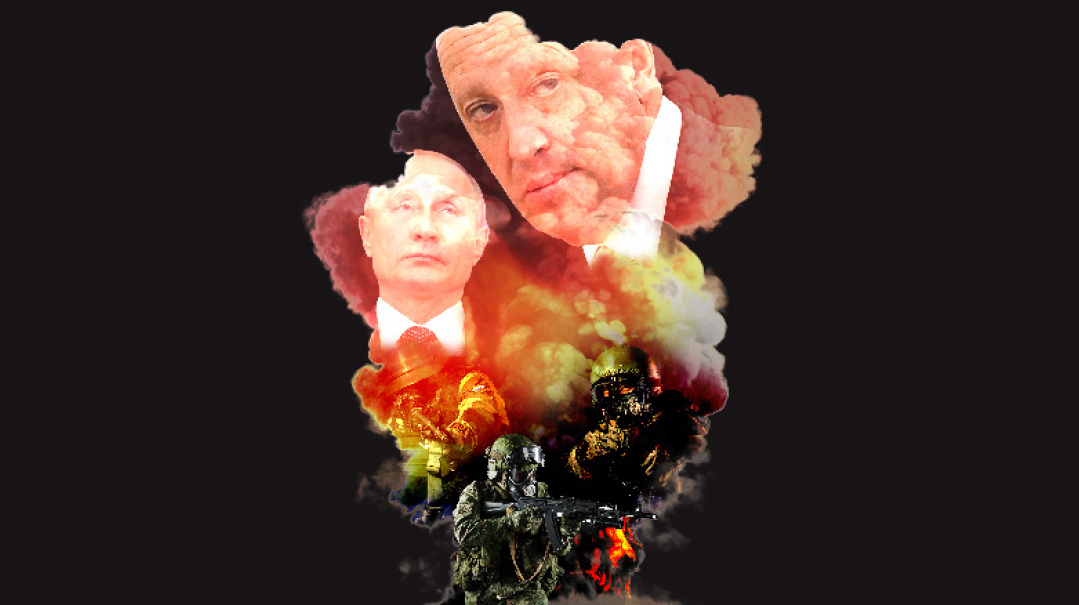
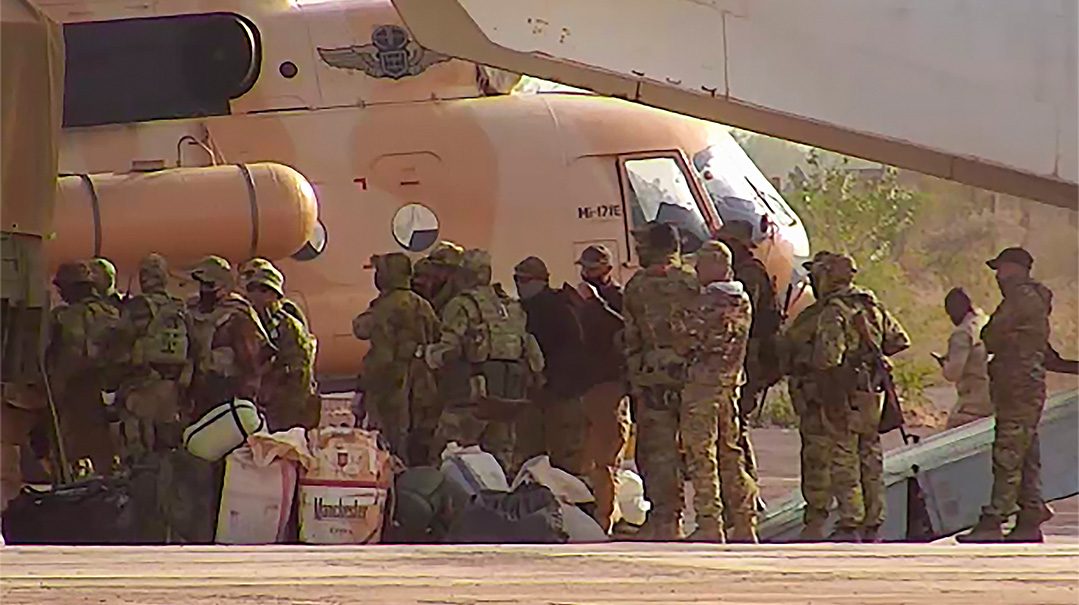
But at the time, the world failed to recognize just how deeply Zelensky’s courage ran, and it wasn’t until a few days later that the reports started trickling in: Mercenaries. Assassination. Zelensky’s own life was in danger, and he knew it — he was fighting for his own survival, as much as he was fighting for his country. Yet defiant he remained, unwilling to allow his own mortal peril to weaken his resolve. The headlines’ chilling reports came interlaced with a reference military analysts knew only too well: the Wagner Group. Mercenaries affiliated with Russia, often called “Putin’s shadow army,” although the Kremlin has always denied responsibility for, or even knowledge of, its activities.
Who makes up the Wagner Group? Where do they come from? What is their mission statement? We may never learn all the answers, but one thing we do know: Their highly valued operations are shrouded in secrecy. Yet following their trail and tracing their steps, some of the layers have begun to peel away.
Think of mercenaries, and you might conjure up images of professional Greek soldiers in the Persian Empire, brutish men on elephants paid to fight for Carthage against Rome, or bands of barbarians hired to defend the Byzantine emperors and their lands.
Create a free account to keep reading.