An Israeli High Court ruling crosses the Torah world’s red lines
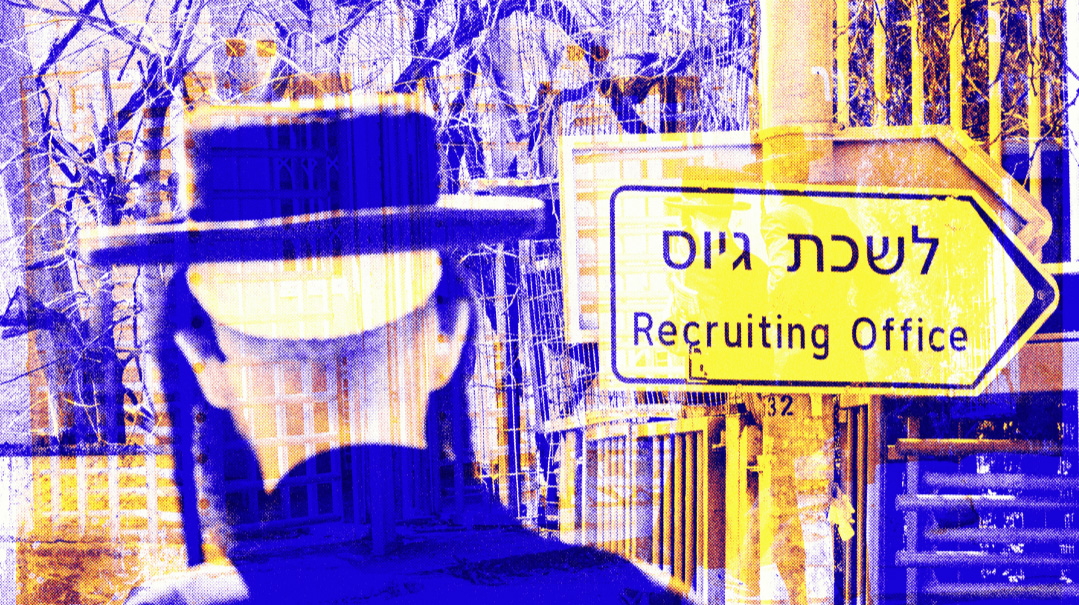
Like a loaded gun sitting on a side table, the chareidi draft issue has always loomed as a potential menace at the margins of Israel’s febrile politics. But after a shocking High Court intervention last week, that threat has taken center stage in what is now an ugly standoff over the future of Israeli society.
As of April 1, tens of thousands of bochurim and avreichim now exist in legal limbo. Years of draft deferments have given way to an immediate requirement to enlist, and funding to their yeshivos has been cut. While no one expects the military police to round up thousands of bochurim, the government is now on borrowed time, as politicians grasp for a workaround, to keep the coalition from imploding and keep the lights on in yeshivos.
The split over the issue runs far deeper than these technicalities, though. Six months into an existential war that drew different parts of Israeli society together, divisions have returned with a vengeance. On the chareidi side, the draft law strikes at the heart of the Torah world’s existence, threatening the postwar yeshivah world’s miraculous renaissance. But to vast numbers of Israelis whose sons are in uniform — including traditional and religious sectors who are natural allies of the chareidim — the refusal to share the military burden is equally unthinkable.
This clash of worldviews is not just a question of better PR, but of fundamentals. What is the responsibility of the Torah world in a post-October 7 emergency?
Create a free account to keep reading.