Will Natanz sabotage derail Iran nuclear talks?
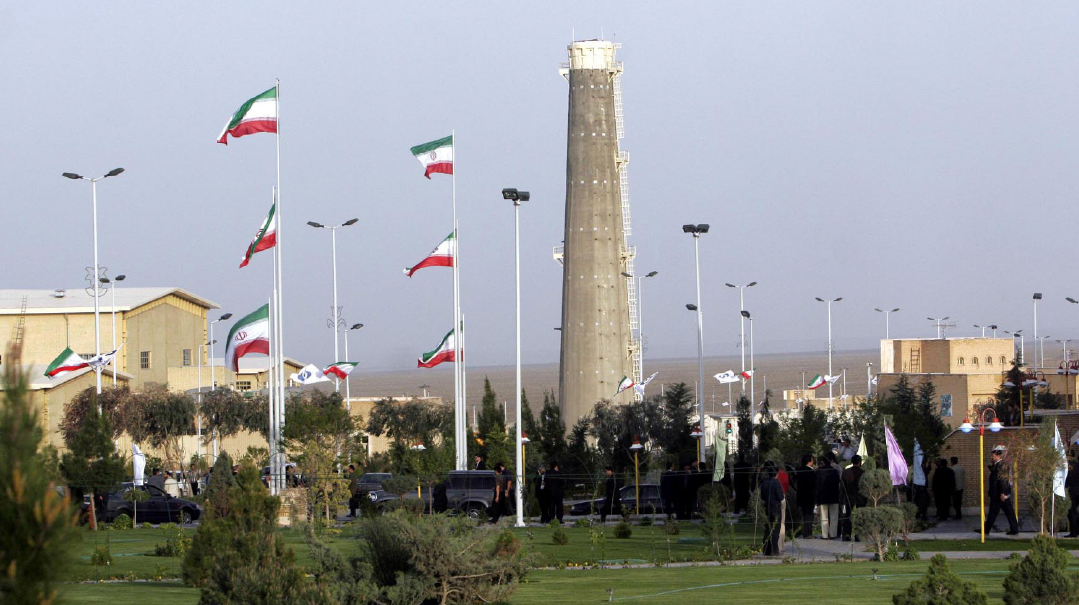
Only days after the Iranians proudly unveiled 164 advanced new centrifuges at Natanz — of a type prohibited under the nuclear deal — a power blackout struck the facility, putting it out of commission for at least nine months. The head of Iran’s atomic energy agency described the incident as nuclear terrorism, adding, “Iran reserves the right to respond.”
On Monday the New York Times attributed the sabotage to Israel. The incident’s timing was interesting — happening to coincide with American defense secretary Lloyd Austin’s visit to Israel. This raises a number of questions. First, were the Americans given a heads-up about the operation? Or did they learn about it in the press, like everyone else? Israel has clarified that it will continue to oppose the Iran nuclear deal, even if it is renewed. Was the operation intended to send a message to the Americans as well, and not just to Iran?
“Israel is sending its own clear message by targeting Iranian nuclear infrastructure and other regime assets,” Mark Dubowitz of Washington’s Foundation for the Defense of Democracies (FDD) told Mishpacha. “The Jewish state will do whatever is needed to stop Tehran’s patient pathways to atomic bombs and the arming of its proxies with deadly weapons.”
Whether or not the Americans were informed about the attack, there’s a special significance to the fact that it took place at the height of the current talks in Vienna to renew the deal. The Iranians came to the talks out of a position of strength, as they’ve continued developing their nuclear program since well before Trump withdrew from the deal. This created a sense of urgency in Biden’s team, which hoped that quickly rejoining the deal would prevent the Iranians from obtaining a bomb. But now the situation is different. If the facility at Natanz is out of action for nine months, the Iranians have lost their leverage.
Create a free account to keep reading.