Ionce read a children’s book about a boy who dreams of being on the baseball field making a difference during the ninth inning in Game Seven of the World Series. Eventually he fulfills the childhood fantasy — but not as a batter nor as a fielder. He is the ball boy; necessary but irrelevant. He’s on the field close to the action but he’s not a player.
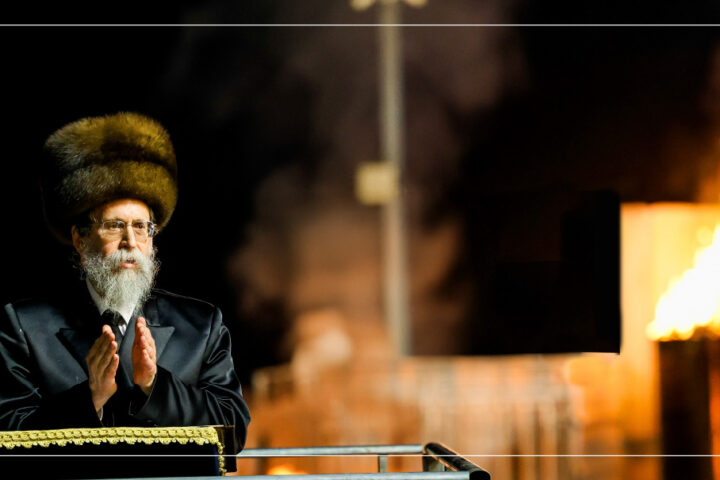
As a child I also planned to crack the Agudah convention roster: either as a rosh yeshivah with a flowing white beard or perhaps an askan with intense eyes and articulate ideas. Okay even as the token wealthy guy with the gracious smile and well-chosen necktie. I finally made it to the program of this year’s Agudah convention but as a ball boy tossing the questions to the dais as moderator at a question-and-answer session with Rav Elya Brudny of Mir-Brooklyn and Rav Yosef Elefant of Mir-Yerushalayim.
I was on the field but easily replaceable. That said the experience did afford me a special chance an opportunity to see firsthand how AgudathIsrael’s core product — daas Torah — is developed.
And daas Torah is a pretty misunderstood term. There is no shortage of blogs and websites operating under the banner of Mai ahanu lan Rabbanan (What do Torah scholars contribute to society?) — and it’s not their fault that they’re bitter and resentful because they’re missing a clear understanding of what daas Torah is. Someone with no taste buds can’t be a food critic and a person who isn’t sophisticated enough to see nuances can’t grasp that daas Torah isn’t the answers but the process. It isn’t black-and-white solutions removed from a neat tool box a bureaucratic impersonal process but rather allowing contact with a real talmid chacham to paint your life with relevance and meaning. It’s seeing the mundane get refined through a connection with the talmid chacham and by extension the Torah itself.