How hackers crack, swipe, and scam — and how to stay one step ahead of them
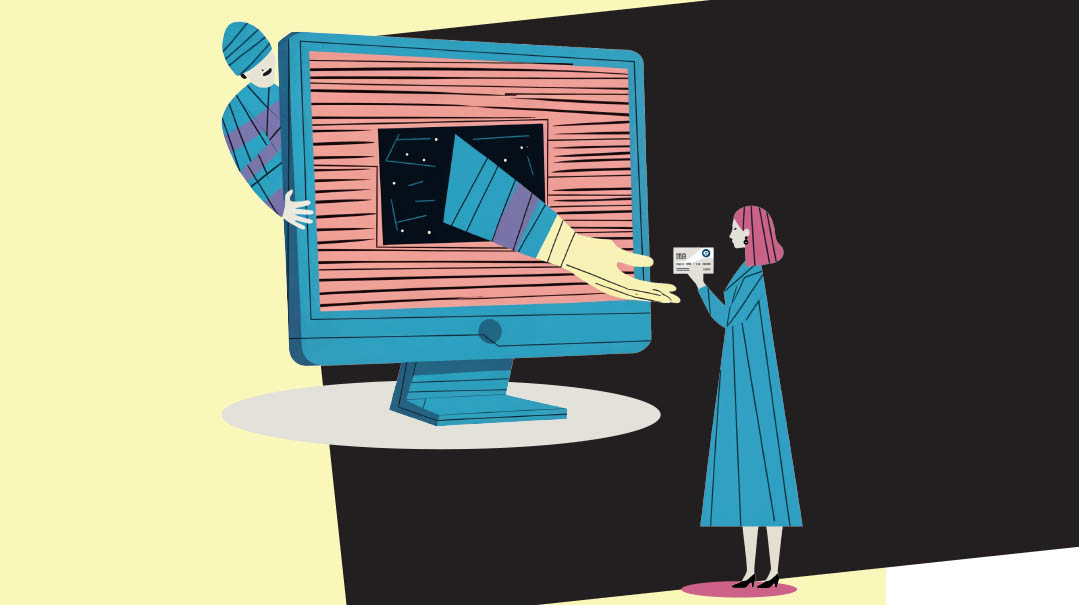
Probably not, A* tells me. “In order to charge a card, a company needs to follow a specific set of rules called the PCI-DSS. Getting that authorization is difficult, so it’s usually easier to go through a payment gateway to process payments.” Those gateways are more secure and trustworthy.
But there are other concerns when it comes to putting funds online, sometimes even in places that seem harmless. A* tells me about a recent school fundraiser where kids had their own accounts and teams to keep track of what they’d raised. The accounts were managed by the parents, of course. But when she tried to access a nephew’s account, she found that she was able to see the money that he’d raised.
“The kids’ info is there, so now your kids have private info exposed on the Internet,” she explains. “If you’re using your kid’s name as a password, that information is now online.” But most concerning, “If someone sees that your child is in that school, they can run a scam where they call you up and ask for money, pretending that they’re a secretary at the yeshivah and you have outstanding balances there.” (The fundraiser is updating their security for the next round.)
Sometimes, the situation is even more dire. In 2023, during her younger daughter’s ballet recital, Jennifer DeStefano answered a call that she thought was a doctor’s office. On the other line, she heard a voice that sounded exactly like her older daughter, Briana, sobbing, “Mom, Mom. I messed up.”
Create a free account to keep reading.