Not since Napoleon’s defeat by Admiral Nelson have the cross-channel neighbors come so close to a dust-up
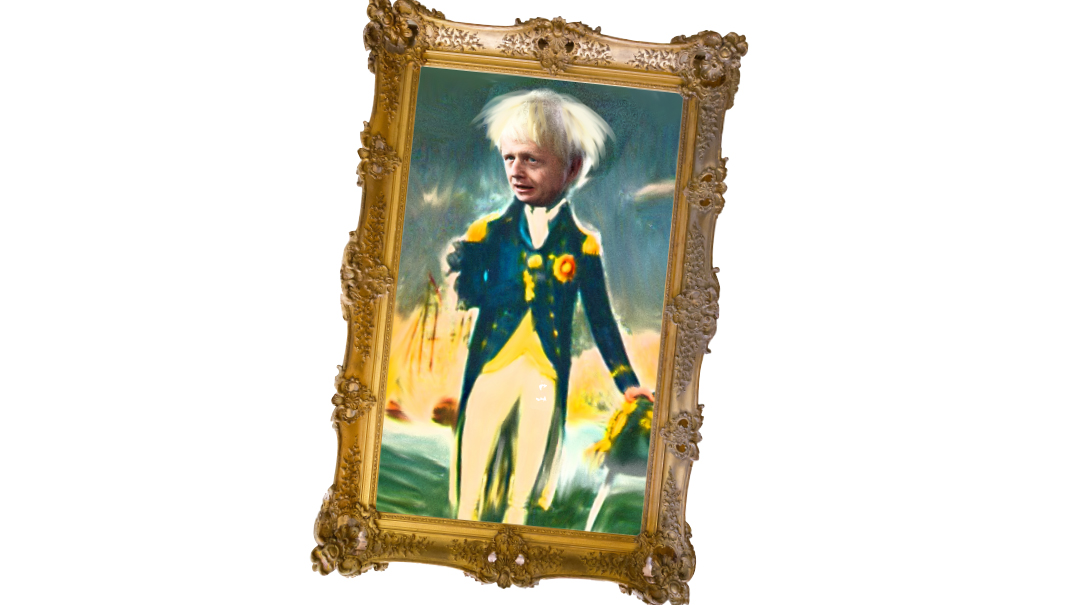
As a former journalist with an eye for a catchy phrase and an ear for history, British prime minister Boris Johnson would doubtless be pleased with the above (slightly dramatized) headline. Barring the World War II sinking of the French fleet at Mers-el-Kebir to prevent it falling into German hands, Boris’s dispatching of Royal Navy ships to keep a watchful eye on French fishing vessels is a first.
Not since Napoleon’s defeat by Admiral Nelson, a one-eyed, one-armed British naval hero, have the cross-channel neighbors come so close to a dust-up. But given the underlying tension caused by Brexit, the standoff points to a fault line in Europe that is likely to widen.
The showdown at sea was triggered by the so-called Brexit “fish wars.” Until the UK left its jurisdiction, the EU’s law permitted French fishermen to ply their trade in fish-rich British waters. The new post-Brexit fishing regulations issued by Jersey, a British crown dependency, have angered French fishermen, who accuse the British of violating the Brexit deal. Weeks ago, French authorities took a page out of Vladimir Putin’s Crimean playbook by threatening to cut off electricity to the islands, which are only 14 kilometers off the French coast.
When dozens of French fishing vessels threatened to blockade St. Helier, the island’s main port, Boris Johnson reacted by sending Royal Navy patrol vessels to the scene. That in turn drew nautical condemnation from the EU’s former Brexit negotiator Michel Barnier, who accused Britain of acting “like buccaneers” in the dispute.
Create a free account to keep reading.