Mishpacha contributors share accounts of those special summers disconnected from the grind
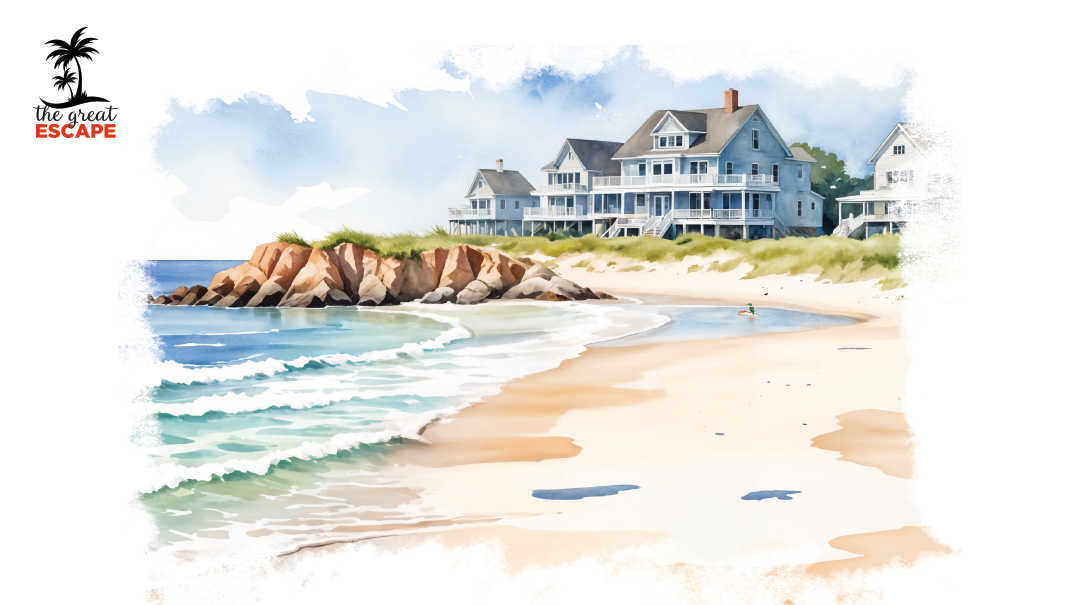
Every summer since I was three years old, my father, mother, younger brother, and I would pile into the family car and drive more than 20 hours from our home in the Midwest to the Outer Banks of North Carolina, a line of islands off the coast that separates the Atlantic Ocean from the mainland. It was where we would spend practically the entire summer.
This tradition began because my paternal grandparents lived in Wilmington, North Carolina, about an hour from the ocean, and we’d rent a home on the beach whenever we visited them. My parents loved the experience so much that when I was seven, they decided to build a house on Holden Beach, a quiet private beach in the southern Outer Banks.
Excitement would mount as we approached the island, and my brother and I would put down our books and games and peer eagerly for the first glance of the tall, curved bridge that would transport us over the intracoastal waterway to our island. The railings of that two-lane cement bridge were not tall, and in the years we drove a Jeep Grand Cherokee, the car sat so high and the rails were so low that it appeared we were driving in the air with only the water below us. (This might be where my fear of bridges originated.)
Once safely over the bridge, we would turn right and make our way west. We’d crane our necks as we drove down Ocean Avenue, looking up at the rows of beautiful houses that stood tall — and safe, because all of the newer beach houses were built on stilts. This was a precaution against storm surges that would come with hurricanes, which hit the island maybe once in a decade but were a constant and unpredictable threat. (This safety feature meant that every home essentially started at the second story, except for the older homes on the east end of the island which were still built on ground level. On the rare occasion we ventured that way, I felt a combination of smugness that our house was on stilts, as well as a curious concern about what would happen to the east end when the water rose.)
Create a free account to keep reading.