As I sit with a group of men representing four decades of the yeshivah, they all have one thing in common: Scranton guy. How did the yeshivah create that glue?
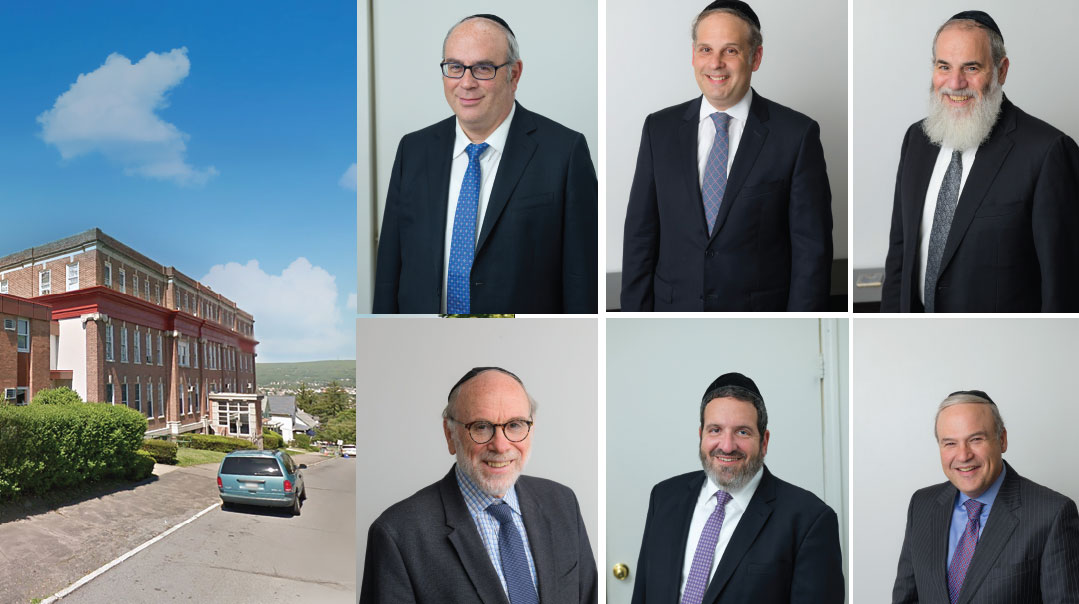
Not many people know what “Yeshiva Bais Moshe” is, but known by its shorthand name — “Scranton” — it’s been a fixture of the American yeshivah world for well over a half-century now.
Located in the city of Scranton, nestled in Pennsylvania’s Pocono Mountains, the yeshivah was founded by two talmidim of Rav Aharon Kotler in Lakewood, Rav Yaakov Schnaidman and Rav Chaim Bressler shlita, who continue at its helm to this day. More recently, they’ve been joined in the hanhalah by the next generation, Rav Chaim Schnaidman and Rav Chaim Bressler’s son-in-law, Rav Nachman Pritzker.
Along with such mainstays as Philadelphia, Long Beach, and Denver, Scranton is a member in good standing of that elite group, the “Lakewood yeshivos,” all founded by those who learned under Rav Aharon in the Lakewood glory days of the 1950s. Yet I’ve always thought of Scranton as “Lakewood with a difference,” sensing that there’s a certain something that has enabled Scranton to produce three generations’ worth of down-to-earth, erliche talmidim who are learned in Torah, exemplary in menschlichkeit, and possessed of a clear-eyed hashkafas hachayim.
Recently, I sat down with an intergenerational group of “Scranton guys,” hoping to learn more about that certain special something. Put six former yeshivah guys in a room, and in the blink of an eye, 50- and 60-something men with families and businesses and very busy lives transform before one’s eyes into guys who’ve time-traveled back 40 years, sitting in their dorm rooms (or the back of the beis medrash), holding forth on everything from the unique rebbi-talmid bond they all share to being a Brooklyn kid plunked down into a Pennsylvania coal-mining town to something called… “the Cheerios shmuess.”
Create a free account to keep reading.