An unlikely pair of underground scholars kept a spark glowing in the Soviet darkness
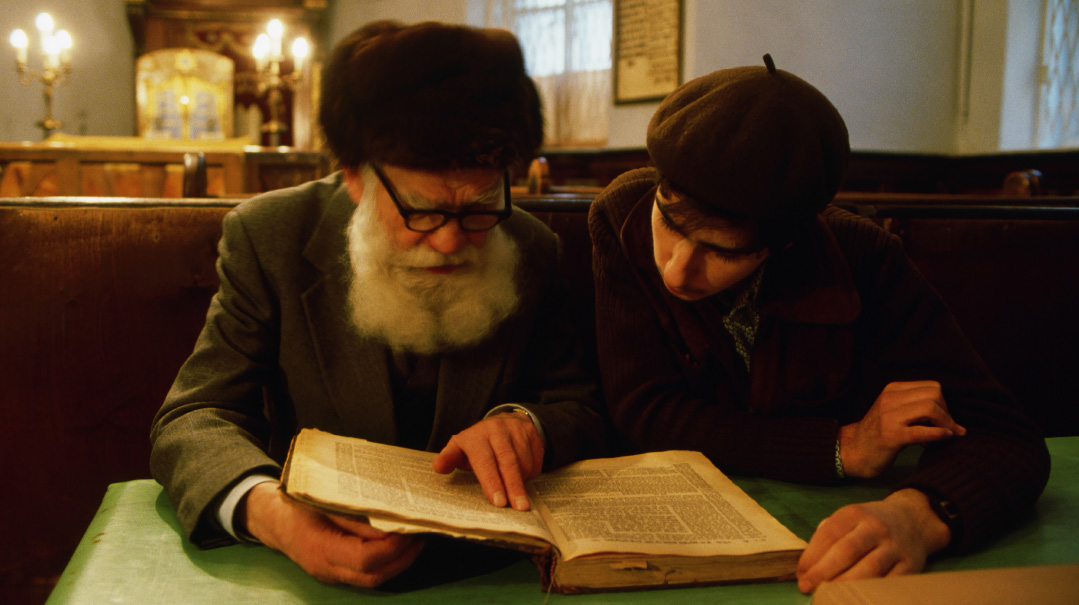
I was 13 years old on a cold Chanukah morning in 1983 when I was informed that my father, Rabbi Maaleh Galinsky a”h, had been dispatched on a secret mission to Soviet Russia in order to meet and teach members of the rapidly growing underground community of baalei teshuvah that was spreading across the U.S.S.R. Those were the days before the Iron Curtain came down, when thousands of young Russian Jews, separated from their heritage for over half a century, were rediscovering their birthright and were willing to sacrifice their livelihood and very safety for hidden opportunities to learn a bit of Torah; when even Western tourists could be arrested for smuggling “subversive” material such as siddurim or other ritual objects.
From the early 70s to the late 1980s, many brave activists, educators, and rabbanim made the dangerous trip to the Soviet Union, smuggling in Jewish books and ritual items and giving classes to an emerging network of these fearless baalei teshuvah. Joining the list of well-known activists such as Ernie Meyer, Jacob Birnbaum and other high-profile colleagues were rabbanim such as Rav Pinchas Teitz, who published siddurim and other seforim in Russian; Rabbi Tzvi Bronstein of the Al Tidom organization; Rabbi Yaakov Pollak, longtime rav of Boro Park’s Shomrei Emunah congregation; Rabbi Mordechai Neustadt of the Vaad L’Hatzolas Nidchei Yisroel; Rabbi Shalom Gold; younger colleagues such as Rav Aaron Lopiansky, and a long list of others.
My father traveled with his good friend Rabbi Gold a”h, and upon their return after a nerve-racking two weeks, he was a different man. He never stopped talking about the mesirus nefesh he witnessed on the part of the young baalei teshuvah and their families under the constant threat of the KGB.
He would talk about the young Jews he encountered — Jews who until a few years before barely knew they were Jewish — how they risked their lives and livelihoods for the sake of studying Torah and the outside chance of leaving for Eretz Yisrael. These Jews kashered their homes, had bris milah, learned Hebrew, and began to daven and study Torah. They included doctors, lawyers, professors, and scientists who lost everything once they applied for emigration. My father would tell us that although he went to teach them, he actually learned so much more.
Create a free account to keep reading.