Eating special foods, simanim, on the eve of Rosh HaShanah is one of the most widely observed and cherished of all Jewish minhagim. Yet for its universal acceptance, much about the simanim remains shrouded in mystery. How do they work? Why do some of the simanim involve wordplay and some not? The answers to these questions and more in this comprehensive look at this ubiquitous custom.
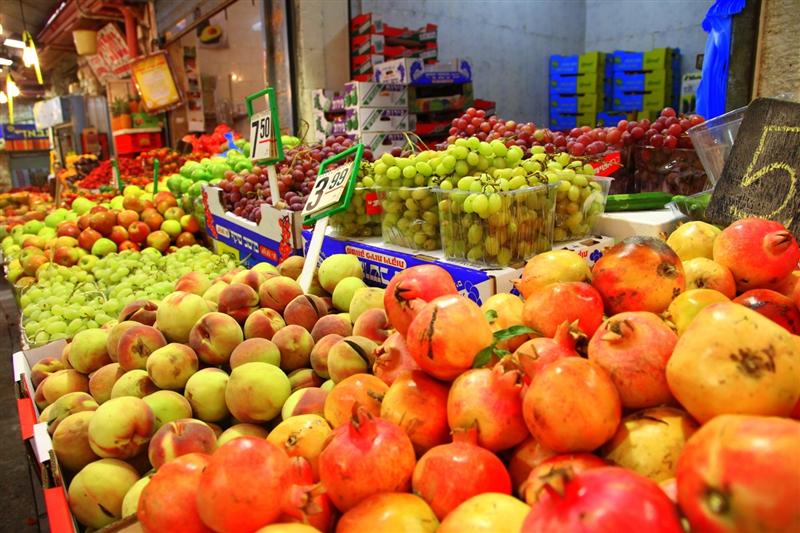
What exactly is a siman?
In a broader context it means a sign or a mark of identification on an object or an animal. In regard to the eve of Rosh HaShanah it seems to be an indication of things to come during the year. The word siman seems to be etymologically related to the English word semantic itself a Greek relative of the more ancient sema which led to the English sign. A sign will sometimes point us towards another entity by telling us in words where the entity is. Such a sign uses semantics.
But we can also pick up indications regarding an entity by seeing pictures or other representations of the entity Such simanim are symbolic of that entity not merely a semantic pointer to it.
A road sign with the words “Jerusalem Forest” written on it for instance is merely semantic; if it has a picture of a tree on it it is also symbolic. Assembly instructions that accompany furniture or an appliance may be written in English — in which case you’re lucky — or maybe in another language that you might be able to decipher. If you’re really unlucky it’ll be written in Chinese or Turkish. To avoid these semantic problems in today’s global economy many manufacturers now use symbolic picture instructions without words in any language.
This distinction between merely semantic signs and fully symbolic representations is the key to understanding some variances in customs regarding the simanim.
Create a free account to keep reading.