Their stories of tzaddikim captured shtetls of the past and values for eternity

Rabbi Gershon and Mrs. Peninah Burkis were happy about the phone call but not really surprised — they knew it all along.
On the line was an effervescent Lelover chassid who had just returned from a visit to Poland. “I visited the town of Lelov in Poland last week,” he told them excitedly, “and you won’t believe it, I actually saw the wagon that was mired in the mud, from the Machanayim book about the Lelover Rebbe that I read as a kid! And we also saw the wagon driver and the farmers. Everything was just like in the pictures of your books. All of us in the group remembered the Machanayim/ Sippurei Tzaddikim stories we read as children.”
Rabbi Burkis wasn’t sure if this man in his forties was totally serious, but one thing was clear: The fellow knew the story by heart and could quote it word for word. He also remembered every illustration and even the color of the kasket each child wore.
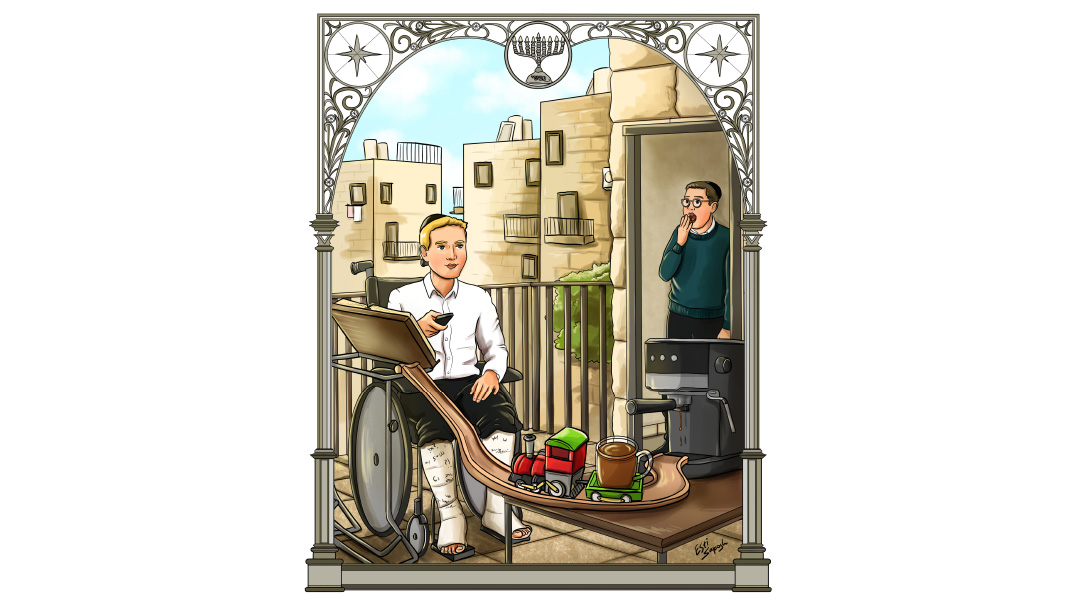
And he’s not the only one. Many of us feel sparks of nostalgia just looking at those soft-cover blue books with the yellow arch framing a memorable picture: titles like The Brave Butcher, Saved by the Wedding, Wonder Rooster, The Wagon that Sank, Poisoned Bread, The Man Who Flew in the Air, and Mystery of the Sundial are just a few of the 120 stories that take us back to the poritzes and taverns, to the clumsy farmers, to the muddy wagon drivers, to tales of faith in the shtetl, stories that framed our childhood.
Create a free account to keep reading.