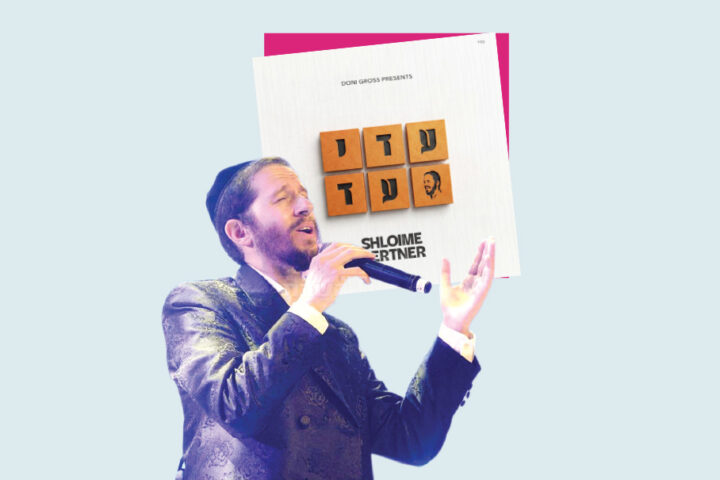
Is there a special niggun that has transformed your classroom?
We’ve developed a unique shiur called the Niggun Chaburah. It begins with a song, and we listen carefully — sometimes with the lights off — to allow the melody to speak directly to the heart. Then we learn a Torah idea that connects the message of the song to the weekly parshah or an upcoming Yom Tov. After the learning, we return to the song. But this time, the music is different. With Torah as our lens, the melody takes on new depth, entering our hearts in a way it couldn’t before.
Two years ago, just before Rosh Hashanah, I invited Aryeh Kunstler to join us for a Niggun Chaburah gathering with a group of women. He shared a newly released song, “Avodat HaLev” — a powerful piece about the struggle and beauty of serving the King. The lyrics capture the tension of being an eved Hashem, and offer a gentle reframe: The King we serve is also our loving Father.
That night, we learned about Chanah, the mother of Shmuel Hanavi. Chanah endured years of pain, as her husband’s second wife bore child after child while she remained barren. Year after year, she ascended to the Mishkan with her husband, pouring out her heart in tefillah, until one year, something changed. Chanah had a breakthrough. She realized that her request, though deeply human and understandable, was focused on her own pain and desire. In a moment of profound clarity and surrender, Chanah reframed her prayer. She told Hashem, “If You bless me with a child, I will give him right back to You. I don’t want a child just for myself — I want to bring this soul into the world to serve You.” It was that shift — from personal desire to Divine purpose — that opened the gates of blessing. Chanah subsequently gave birth to Shmuel, one of the greatest prophets in Jewish history.
Several months later, during another Niggun Chaburah event, a young woman who had attended that Rosh Hashanah shiur shared her news, glowing with joy. “Mazel tov,” she said, “I’m a kallah!”
Create a free account to keep reading.