The table was the focal point of our gorgeous country kitchen, next to the yawning windows showcasing Vancouver’s snowy peaks, crystal-blue skies, and glittering waters,
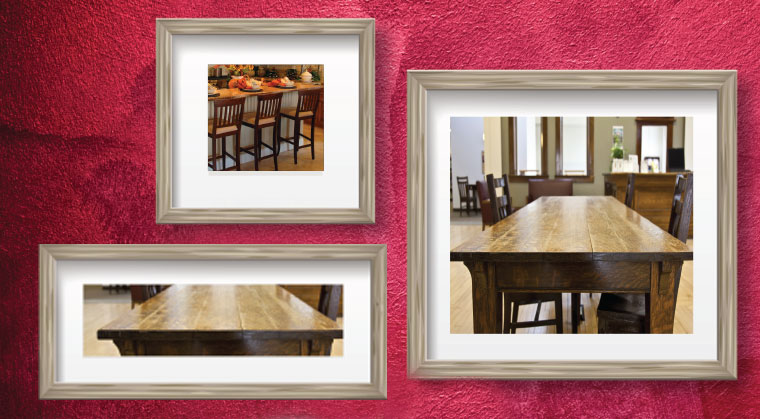
Photo: Shutterstock
It was 1991, I was five years old and eager to be in on the action, when we — my parents, sister, and I — went to choose a new kitchen set for our renovated home. I brought along my markers and coloring pad and sketched quietly in the corner as my parents finalized the deal with the artist who made specialty tables.
It is a unique piece: light, solid oak, carved into a classic six-seater table. The edges are adorned with elegant, hand-painted flowers in blue and burgundy. Wisps of forest-green stems and leaves frame the flowers, and the chairs are delicately hand-painted with the same design. There are three matching barstools, with the same flowers and greenery, perched at the kitchen island.
The table was the focal point of our gorgeous country kitchen, next to the yawning windows that showcased Vancouver’s snowy peaks, crystal-blue skies, and glittering waters. The table was our meeting place. It hosted family meetings where we discussed our responsibilities with Wiggles the Hamster and Gefilte the Siamese Fighting Fish, and upon it we enjoyed countless birthday dinners.
Every night at 6 p.m., the table would be adorned with matching place mats, my mother would place a delicious, nutritious dinner on the table, and my father would loosen his tie and relax with his girls. The kitchen table — the casual sibling of our serious, conservative dining room table (used only for Yom Tov) — hosted Shabbos dinner every week, for many years. It was the meeting place for many in our neighborhood to come and enjoy a coffee, on their way to and from soccer games and the mall. The table could expand, and chairs would be added, to host a gathering for which the main soundtrack was a steady pulse of love and harmony.
Create a free account to keep reading.