Learn how to push the “relaxation response” knob in your brain, and it’ll send your stress levels down — and your mood up.
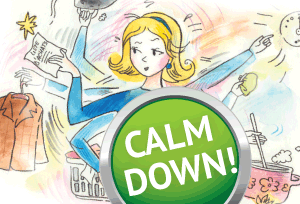
Whether it’s before a wedding on Erev Yom Tov or on a regular busy weekday stress can produce small (and sometimes big) cumulative injuries to the body and mind. People often assume that once a tension-filled situation is over the symptoms of stress will naturally dissipate. But actually once anxiety enters the system it stays in until properly released.
Take Shoshana for instance who totaled her car three years ago. She had been driving along when the minivan in front of her stopped suddenly. She quickly applied the brakes but it was too late. Her car smashed into the rear of the van. Baruch Hashem no one was hurt.
After the collision Shoshana felt totally fine. But a short while later she started to have recurrent dreams of the accident. Worse she couldn’t sit in the passenger seat of a moving vehicle without having a panic attack. From start to finish the whole car crash took less than a minute. Yet it took its toll on Shoshana’s mind and body for months afterward. Many people struggle with the repercussions of stress for years.
A panic attack as in Shoshana’s case is one way the body responds to stress. Most of us are familiar with the more common (and less extreme) symptoms such as tension headaches troubled tummies and backaches. Emotionally stress can get “reactivated” by the smallest of incidents. Think back to a time you were overly upset by a little interaction and you’ll likely find a connection to a taxing situation that occurred earlier perhaps even years before. These experiences all reflect the “what goes in stays in” nature of stress.
Create a free account to keep reading.