Approximately three million books lay in the Offenbach Archival Depot by late 1945. Located just outside Frankfurt in the American occupation zone of postwar Germany, the massive warehouse of literary spoils gave silent testimony to the Nazi plunder of Jewish cultural assets, which they carried out with nearly the same zeal they had for exterminating the Jewish People. Among the tomes were nearly 25,000 volumes stolen from one of the most prestigious Judaic collections of prewar Europe, the Strashun Library of Vilna.
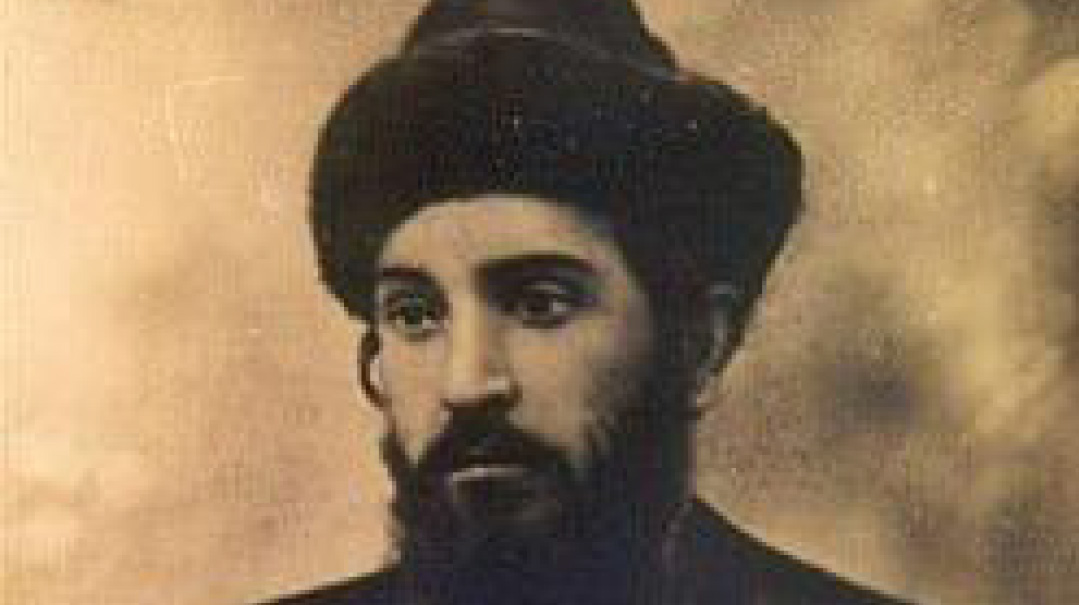
Mattisyahu Strashun (1817–1885) personified the intellectual environment of 19th-century Vilna, the “Jerusalem of Lithuania.” Born into a wealthy and scholarly family, his father was Rav Shmuel Strashun (1793–1872) the Rashash, author of one of the most widely studied commentaries on Shas. Mattisyahu Strashun emerged as both a respected talmid chacham and a scholar of general literature and the sciences, with proficiencies in Polish, Russian, Greek, and Latin.
His crowning achievement and legacy had its roots in his lifelong passion as an avid book collector. Throughout his travels, he researched and purchased valuable manuscripts, incunabula, first prints, and rare books. In addition to all traditional seforim, his personal library included unpublished manuscripts by his father and the Vilna Gaon; rare rabbinic responsa; works on philosophy, medicine, world history, poetry, religion, and grammar; and translated works.
As he left no heirs, his primary concern when nearing his passing was the fate of the nearly 7,000 works in his extraordinary collection. His will and testament stipulated that the library would become the property of the Jewish community of Vilna, accessible to the public free of charge. He also designated a portion of his assets to establish an endowment, which would fund the upkeep and expansion of the library, as well as its operations.
Create a free account to keep reading.