Time to face the limitations of our human sense of morality
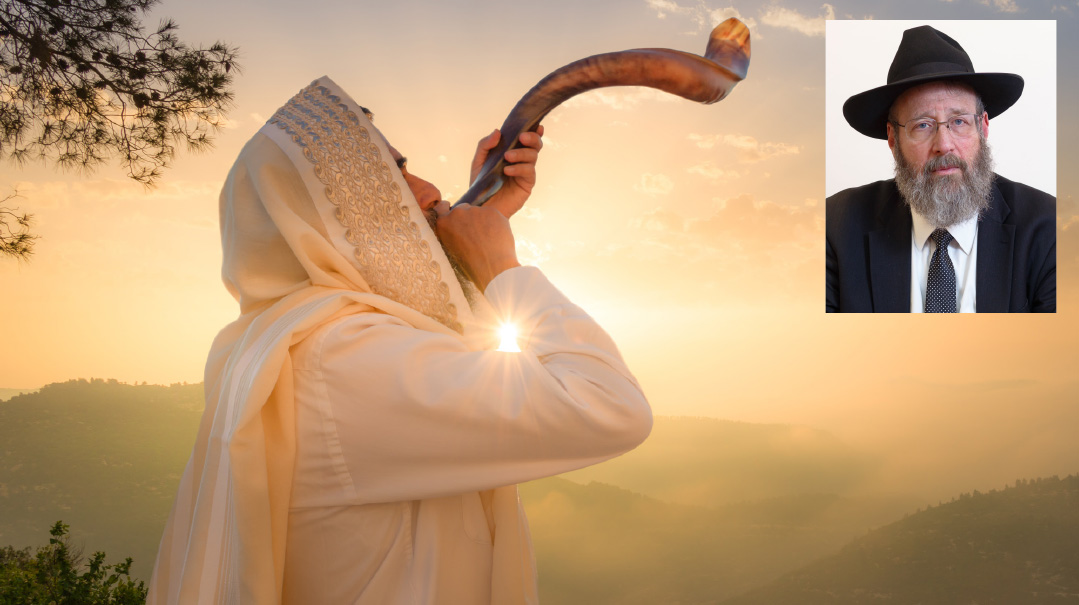
Rosh Hashanah is the opening salvo of ten intense days of teshuvah, which culminate in Yom Kippur. Yet none of the features of our avodah on this Yom Tov seem to suit that description. Our tefillos make no mention of our individual sins. Neither do we recite Vidui. In fact, our attention to teshuvah on Rosh Hashanah seems faint in comparison to the rest of the Aseres Yemei Teshuvah, when we make frequent reference to aveiros and repentance as we say Selichos.
Rather, the singular focus of our Rosh Hashanah tefillos is on affirming Hashem’s Divine monarchy. How does this theme provide a starting point for teshuvah?
To understand the inner meaning of our avodah, we look for the templates Hashem puts in front of our eyes in this world. Says the Zohar (in its discussion of the inner meanings of tekias shofar), if we have no explanation from the Sages, we are to “observe what occurs in the perceived world… for Hashem has ordained that all that happens in this world is analogous to that which takes place above.”
Therefore, let us analyze a phenomenon that has been taking place “on this Earth” to understand an important foundation of our avodah on Rosh Hashanah.
Create a free account to keep reading.