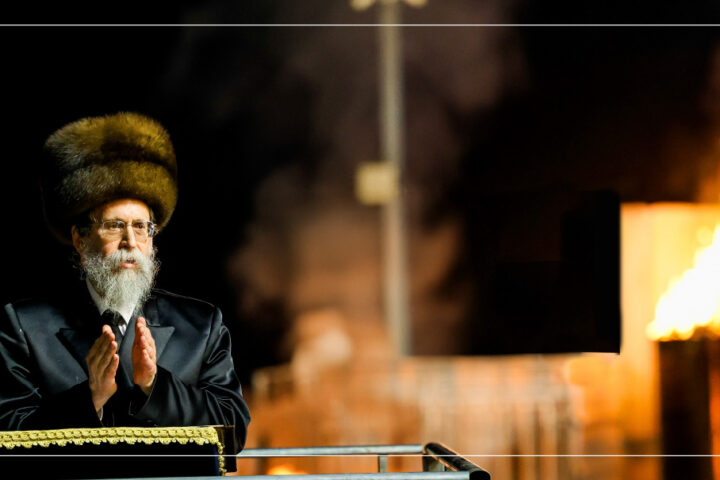
Rav Yechiel Perr believed in pushing his talmidim to their maximum, yet he was no anxious perfectionist. He taught young men to calmly live life doing what’s right and figure out how to be their best selves.
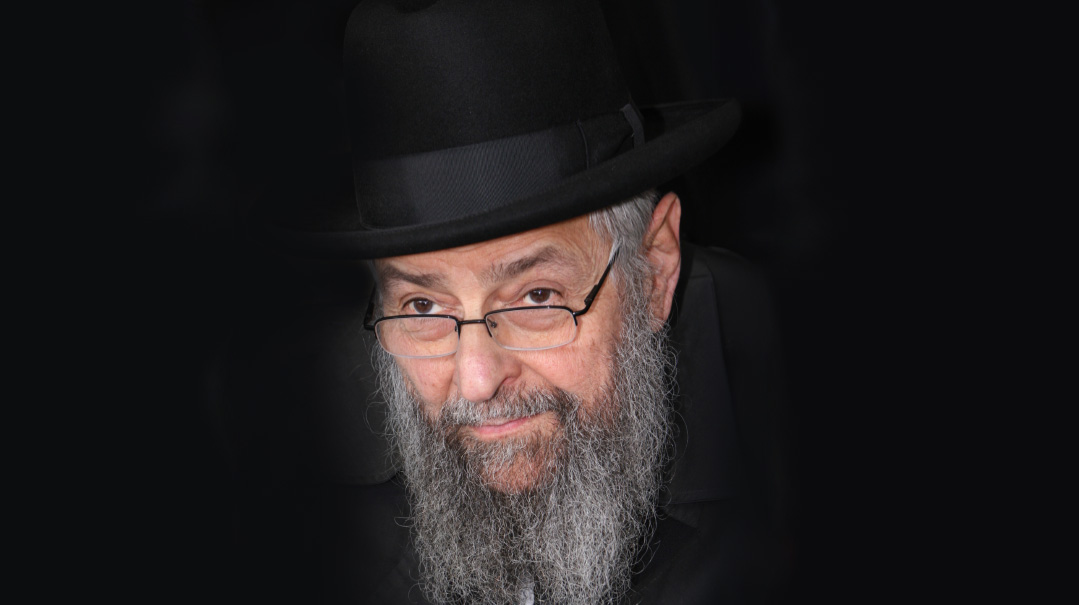
As a wide-eyed child, he imbibed authenticity and appreciation for Torah at home. His father, Rav Menachem Mendel Perr, rav of a local shul, served as a lighthouse to lost and drifting Jewish souls. He was learned yet humble, eschewing the kavod of leading larger, more successful shuls, or even of just sitting on the mizrach vant. Reb Menachem Mendel chose to sit among his balabatim, gravitating toward those who talked in shul, seeking to improve their conduct without explicit tochachah. Later, even when he would daven in Reb Yechiel’s yeshivah, he refused to sit on the mizrach vant.
Reb Menachem Mendel was a soft, shy person, but tough and unyielding when he saw a threat to kevod Shamayim. He would object if a speaker at a eulogy implied that the deceased was in Gan Eden, despite not having observed one letter of the Torah. On many occasions, Rav Perr would later emulate his father’s humility and strength, taking positions that were right, albeit unpopular.
When Yechiel was just a young boy learning Mishnayos Bava Metzia with his father, they came across the halachah that if a Kohein tells his son to retrieve a lost item from a cemetery, the son may not obey. Reb Menachem Mendel paused, then said to his son, “Yechiel, I want you to know, if I ever tell you to do something that you think is wrong, you shouldn’t listen to me.”
Yechiel was shocked, but internalized the lesson, which became a cornerstone of his philosophy of life. Everyone must listen to the small voice in his mind, the one that tells him right from wrong. A person is misled when he lets this voice be drowned out, either by his own rationalizations or external, even authoritative, voices.
Create a free account to keep reading.