Even putting aside the issue of the uninsured, the American health system wasn’t designed to handle a pandemic
Can the American health care system withstand the coronavirus challenge?
That question will be put to the test in the coming weeks, as thousands of patients crowd intensive care wards, straining resources. And even if they are cured, will those same patients be able to shoulder the costs of a lengthy hospital stay, given the high cost of hospital care in the United States?
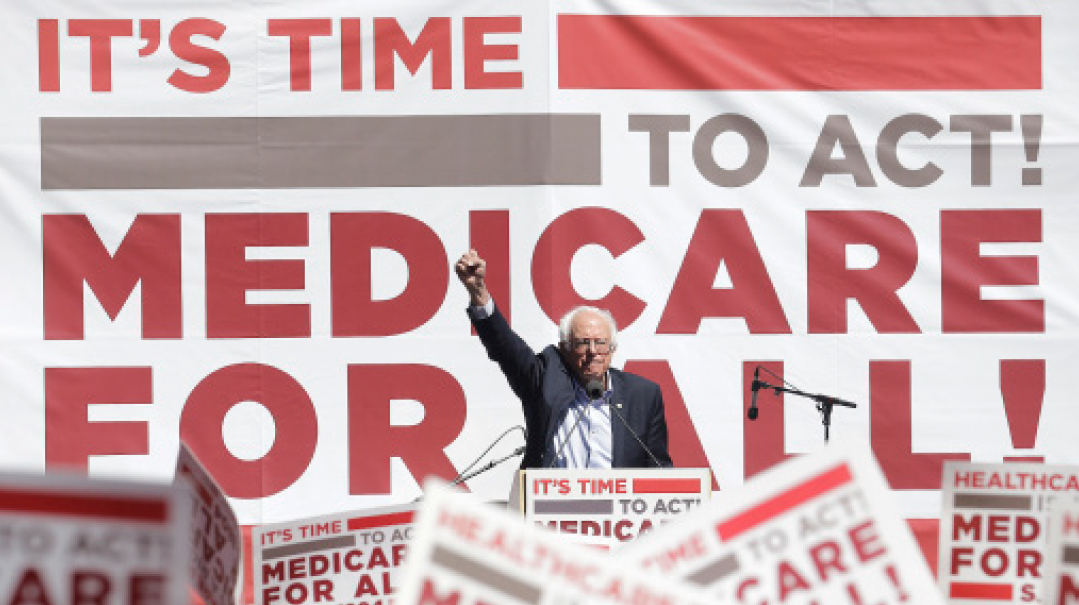
For years now, there has been a public debate on how best to provide health care for America’s 327 million citizens. There are those who favor the current system, which relies largely on private insurance and can cost up to $400 a month; and there are those who demand far-reaching reforms to extend health care to all, as in Israel and many other countries. But with the outbreak of the coronavirus, the old order is fast disintegrating, and immediate action is needed to prevent the spread of the virus in a country with 27 million uninsured.
According to a report by the Federal Reserve, one in four American adults avoided seeking medical attention in 2017 because they couldn’t afford the costs. The report found that 40 percent of the population could not pay a bill of $400 without taking loans or selling property. Since a doctor’s appointment can cost hundreds of dollars and a visit to the emergency room thousands of dollars, many choose to forgo treatment altogether. If a complicated medical procedure is required, the costs can add up to hundreds of thousands of dollars, a sum that can drive people into bankruptcy or a lifetime of debt. In a poll, the American Journal of Public Health found that 59 percent of people who declared bankruptcy between 2013-16 did so as a result of medical expenses.
Create a free account to keep reading.