A conversation with Reb Romi Cohen z"l several years back. A lion has fallen.
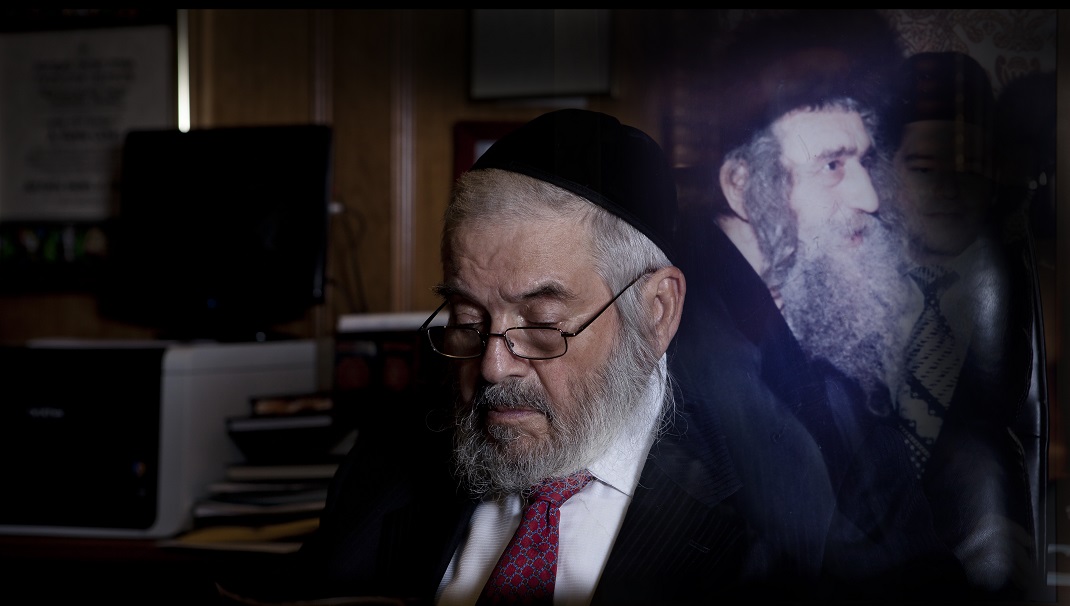
(Photos: Amir Levy)
You can make out two of the great storylines of Rabbi Romi Avrohom Cohn’s life by observing him. More than 70 years after the war, he still radiates the strength of a forest warrior; and in his deft motions, you see the precision and swiftness of an expert mohel.
Those two storylines continue to live on in his two classic works: Bris Avrohom HaKohein is a definitive sefer on the halachos and minhagim of bris milah (Rabbi Cohn, one of New York’s foremost mohelim, represented the American Board of Ritual Circumcision at recent governmental bris milah hearings), while The Youngest Partisan (Artscroll/Mesorah) is the captivating tale of a daring teenager who sneaked across borders and fought the Nazis in the forests.
Yet perhaps his most cherished manuscript is one that has yet to be published, but holds the secrets of a nearly forgotten rebbe and miracle worker who had no children to carry on his legacy. When Rabbi Cohn speaks of his rebbe, he seems to shrink, all that power replaced by humility, the resourcefulness giving way to awe.
He waves a sheaf of papers, stories following each other in a flowing river of astonishment. When he created this manuscript, it was with an urgency that if he wouldn’t get the record down, if he couldn’t capture the magic of the tzaddik, tomorrow would be too late. In a few years, who would remember? Who would retain the legacy of the Ribnitzer Rebbe?
Create a free account to keep reading.