Another zechus for the neshamah of Alta Ruda bas Avraham
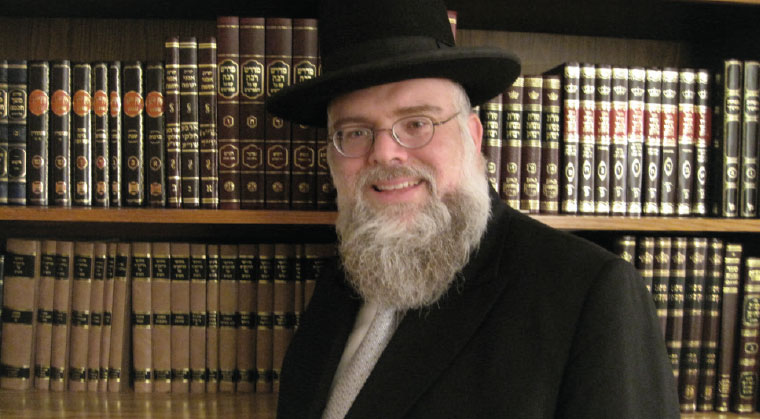
Few things in life afford the opportunity for reflection and introspection like sitting shivah. Although the days themselves can be a whirlwind of receiving people, often nonstop, as they walk in and out of the beis avel, these days can be exceptionally meaningful when utilized properly. Upon the recent petirah of my mother a”h, when I was thrust into the unenviable position of “echad min hachaburah,”I resolved to record some mental notes of my own experience with the hope of not only maximizing my own observance of this hallowed mitzvah, but also of sharing my thoughts with others. Perhaps it could serve as yet another zechus for the neshamah of Alta Ruda bas Avraham.
As many of us can attest, the atmosphere in a beis avel can be very uncomfortable and awkward. If the mourner is reticent, we tend to stumble over ourselves to make conversation, which often leads us to topics that have no connection to the niftar or the aveilus at all. I recall being menachem avel one of my rebbeim on a hot Yerushalayim day when a prominent talmid chacham entered to offer his condolences. This distinguished guest, who was himself in failing health, stayed for a mere few minutes and promptly left. I remained for quite some time, and when I eventually made my way out and headed for the bus stop, I came across this talmid chacham outside, waiting for a bus in the stifling heat. Since he was no stranger to me, I had the chutzpah to ask him why he had so quickly left the air-conditioned apartment to wait in the heat, especially given his fragility and declining health. (Indeed, he was niftar during that year and I was able to share this incident with his almanah.)
His answer made an indelible impression on me, which has lasted nearly four decades. “I needed to come to be menachem avel out of hakaras hatov, as your rebbi was of great help to me when I was seeking proper medical attention. But you heard yourself how the conversation was going — people were exchanging stories about gedolim that had no pertinence to the niftar. I had nothing more to stay for.”
Although it is certainly natural for even gedolei Torah to converse about such topics in a setting where limud haTorah is off-limits, and if the avel chooses to steer the conversation in another direction, it is his prerogative and should be respected, to this adam gadol the irrelevant topic of conversation was a sign that it was time to leave. Nichum aveilim is nichum aveilim and his mitzvah had concluded.
Create a free account to keep reading.