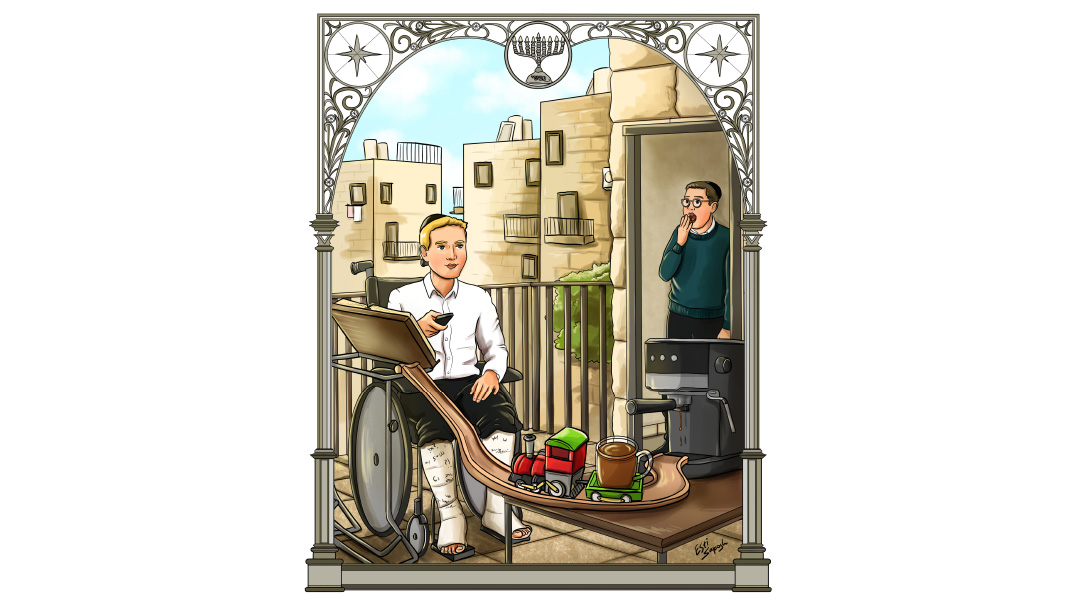
Since we Jews like to talk so much, we find a way to communicate even through silence
H
ello Cheshvan, my old friend. There is always an eerie silence to this month. Shul is a little quieter. The backyard feels emptier. You can barely round up a Minchah minyan at Home Depot. But there is also something quite charming about the quiet of winter. As the narrow streets of cobblestone are drenched in the cold and damp rain, the sound of silence from the month of Cheshvan can be heard. And since we Jews like to talk so much, we find a way to communicate even through silence. Much of Judaism can at times feel like an extended game of charades.
Here are my top 5 wordless Jewish communications.
As a child, not talking after washing on bread seemed like the most challenging of all halachos. Even the adults around me seemed to scatter after Kiddush and avoid promptly washing so as not to be prematurely sealed within the cone of silence. My dad would sneak off into the living room to read. My sisters would run upstairs. It was a Mexican showdown to see who the chump was who would be stuck not talking first. But once someone washed, the game of charades began. Whoever washed first would make the rounds — first to my dad in the living room and then to whomever was upstairs—with a loud “Uh, uh” sound as they made hand motions with their fists, looking like an elderly bubby driving after sundown. It is remarkable how much can be said without speaking. Once the fist-driving motion was complete and everyone was at the table, we would all wait patiently until my father moseyed in. He was usually the last to wash. In the interim we would have full-blown conversations that could only by deciphered by a CIA lip-reader that would eventually devolve into each of us slowly and carefully mouthing “WHAT” with our lips. Eventually, all wordless washing conversations must end. And there’s only one way to do it. I’ll show you how. Make a fist. Stick out your index finger. Now spin it vigorously in front of you like you’re pointing to a flying bug. After washing.
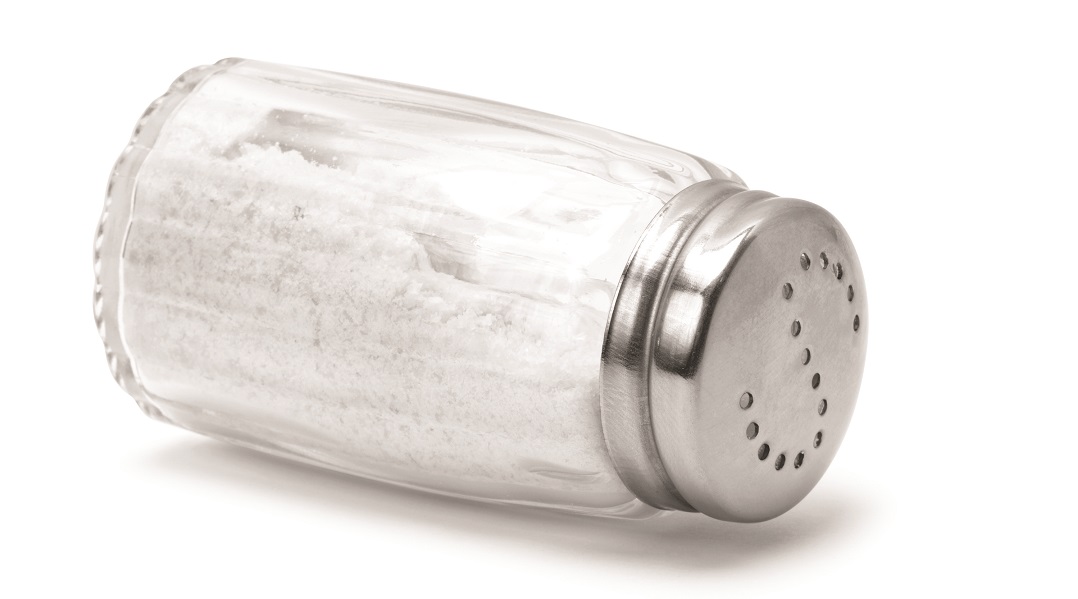
Once everyone is finally settled and you’re about to make Hamotzi, there is always one wordless communication left. Where’s the salt? The universal sign language for salt at a Shabbos table is well-accepted. Bring your index finger and thumb close together like you’re showing someone how little patience you have left and then shake vigorously downward. The Mishnah Berurah (166:2) does note that for items relevant for the meal, such as salt, it is permissible to speak. This was dangerous information once it was discovered by my brother-in-law, Ian. In his house, he would wait for everyone to settle into their seats before Hamotzi and then he would bellow at the top of his lungs, “SALT!” I preferred the hand motions — they were less salty.
I always sit in the back of the shul. While chashuve rabbis sit on the “mizrach vant” in front, I sit in the nosebleed seats on the “maarav vant.” It’s not because I don’t love davening — I just want to avoid eye-contact with the gabbaim. I’m not afraid to speak in public, but ask me to do pesichah and I’ll sweat until they put the sifrei Torah away. Pesichah is governed by the Jewish equivalent of Murphy’s Law — whatever way you pull the paroches strings of the aron, they’re supposed to be pulled the other way. My nightmare is tugging so hard that the paroches just falls on me as I blindly crash headfirst straight through the aron. I’ve actually come close several times.
Create a free account to keep reading.