Ben Brafman on why Kyle Rittenhouse’s over-confident prosecutors failed
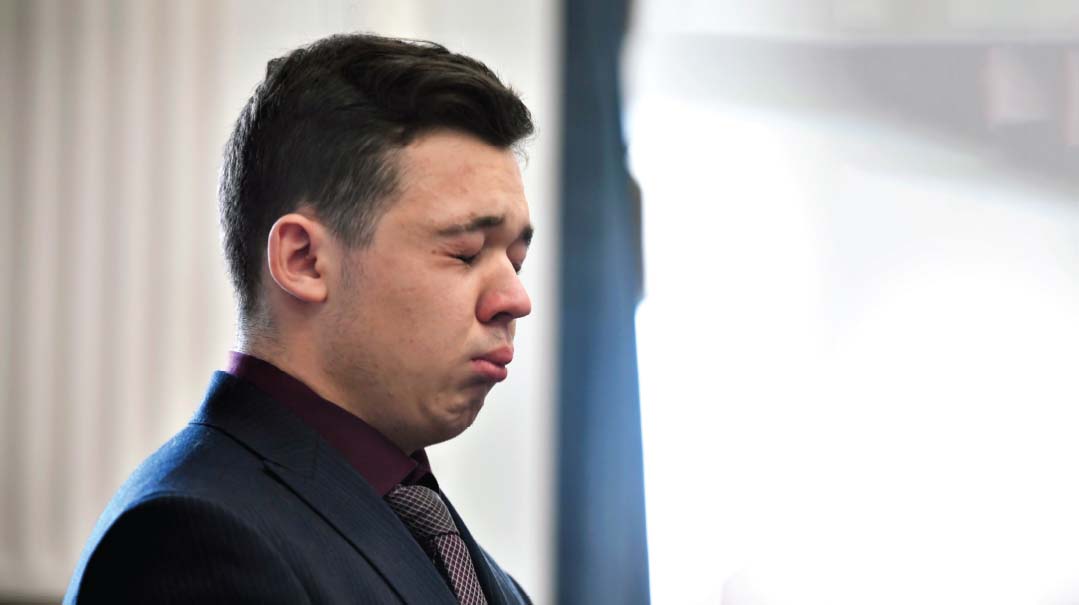
In August 2020 — as the Black Lives Matter protests were unfolding across the country — police in Kenosha, Wisconsin shot a black man suspected of assault, who was carrying a knife. Widespread unrest, including the torching of a car dealership, took place over the next two nights. On the third, then 17-year-old Rittenhouse, armed with a rifle, joined other so-called militia volunteers in patrolling the streets to protect a local business. Chased by protesters, Rittenhouse attempted to run and after falling, shot three people, killing two and wounding one, all white men.
Very quickly, a partisan narrative set in, fed by a media that had pre-judged events. Then presidential-candidate Joe Biden implied that Rittenhouse was a white supremacist. But as some independent-minded journalists noticed early on, that narrative was false.
“It seemed pretty clear, simply from watching the videos and reading the relevant laws and legal analysis, that Rittenhouse at the very least had a decent self-defense case in a post-verdict analysis,” wrote Brooklyn-based journalist Jesse Singal. “And yet I watched many influential media figures and politicians turn Rittenhouse into a monster who had committed obviously premeditated acts of murder, in a manner that ran dozens of laps ahead of the available evidence.”
That skepticism was vindicated by last week’s verdict in which Rittenhouse was cleared of the charges. But as Singal points out, the case has wider meaning: It points to an ever-growing “Balkanization” of media coverage, in which “every major news story generates at least two distinct versions of reality that are summarily adopted as true by many partisans.”
Create a free account to keep reading.