In one of the last interviews before his passing, Elie Wiesel shared his own tortured reflections.
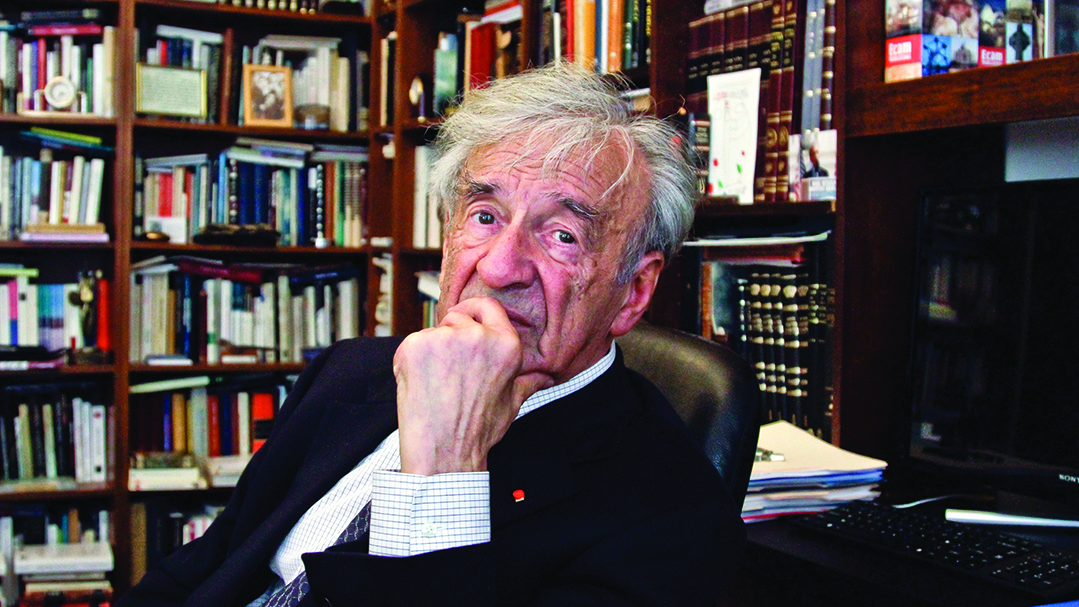
Photo: AP
E
lie Wiesel once said: “I decided to devote my life to telling the story because I felt that having survived I owe something to the dead. And anyone who does not remember betrays them again.” Wiesel was one of the earliest and most masterful chroniclers of the concentration camp experience having experienced it himself in Auschwitz.
Using his gifts as a storyteller to publicize the horrors the world might otherwise have chosen to forget he assumed the role of a universal conscience calling the nations of the world to task against anti-Semitism and hate; assailing injustices such as the oppression of Soviet Jews South African apartheid and genocide committed in faraway lands such as Cambodia Bosnia Darfur and mostly recently Syria.
With his passing on Shabbos at age 87 accolades and condolences poured in from world leaders and opinion makers who hailed Elie Wiesel for his moral fortitude. Wiesel’s popularity was perhaps due at least in part to his willingness to admit his inability to understand extreme evil and human malevolence. During his lifetime portions of the Orthodox Jewish world had not embraced Wiesel who wrote about his personal spiritual battles stemming from confusion over the “hester panim” — Hashem’s seeming silence — in the face of the overwhelming evil he experienced. It was a topic that Wiesel alluded to in a formal but brief interview we conducted in 2014 at the sleek Madison Avenue office of the Elie Wiesel Foundation for Humanity.
The foundation created after Wiesel won the Nobel Peace Prize in 1986 states that its mission is “to combat indifference intolerance and injustice through international dialogue and youth-focused programs that promote acceptance understanding and equality.” The foundation maintains Beit Tzipora Centers (named for Wiesel’s martyred sister Tzipora) in Ashkelon and Kiryat Malachi that help educate and integrate Ethiopian Jews into Israeli society.
Create a free account to keep reading.