Liz Truss replaces Boris — can she hold his voters?
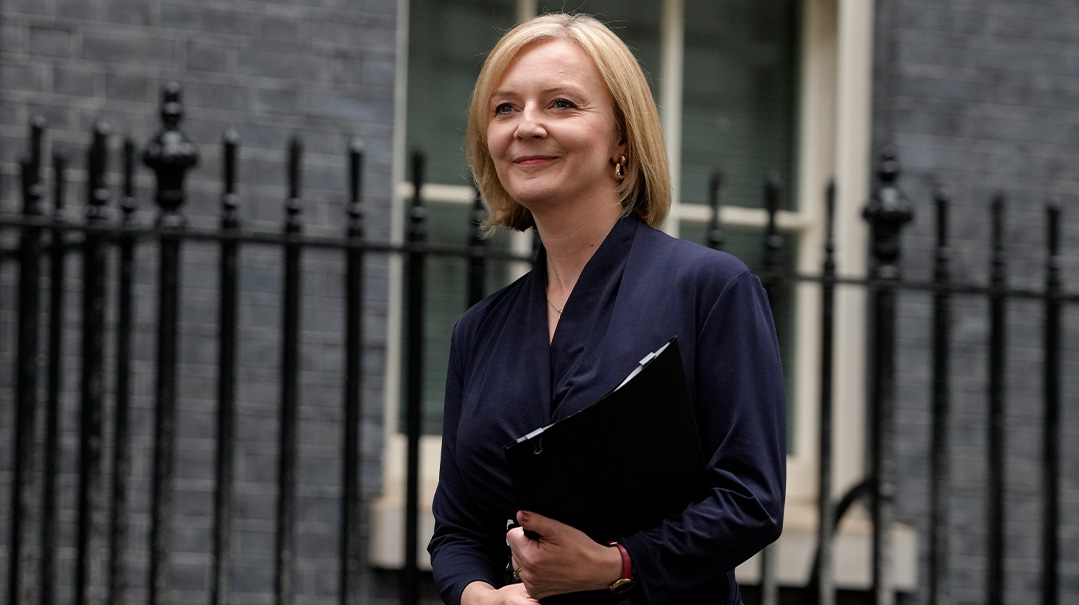
Truss’s political journey has left her open to charges of ideological inconsistency. Born to left-wing academic parents, she moved right in her student years to become an anti-monarchist, center-left Liberal Democrat, before joining the Conservative Party in 1996, becoming an MP in 2010.
That ideological flexibility continued with Truss — who has served in Cabinet continuously since 2014 — adapting her political views to align with the three administrations in which she’s served. Despite coming out against Brexit before the 2016 referendum, in Boris Johnson’s post-Brexit government, she embraced uncompromising Euroscepticism and cultural conservatism.
Becoming foreign secretary in 2021, she won plaudits for her tough stance on Russia and benefited from the UK’s position as Ukraine’s staunchest European ally. When Johnson was toppled in July, she ran for leader on an uncompromising right-wing ticket, pledging tax cuts, a hard-line foreign policy, and a crackdown on illegal immigration and perceived “wokery” at the Whitehall civil service. Her ideological purity, and loyalty to Johnson, who is still popular with the membership, gave her a significant advantage in the final runoff.
Truss has laid herself open to charges of voodoo economics, promising both tax cuts and fresh investment. She won over the party membership by focusing on tax cuts rather than state intervention to deal with the country’s energy and cost-of-living crises. Yet in the final stages of the contest, when victory looked assured, she confirmed she would offer support to households.
Create a free account to keep reading.