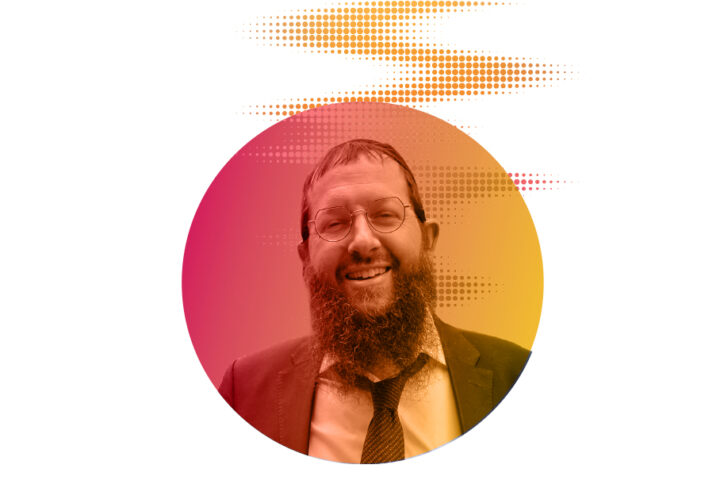
It wasn’t just Kingsbury, Londonthat transformed under RabbiMaurice Hool’s leadership; his vision affected the wider Anglo-Jewish community
By the time Rabbi and Rebbetzin Hool retired in 2005, they had drastically changed the lives of hundreds in their community and thousands beyond it. Kingsbury represented a turning point, and in some respects, the UK’s entire United Synagogue Anglo-Jewish establishment would never be the same again.
Rabbi Hool, who passed away on 9 Cheshvan at a young 95, may have appeared an unlikely candidate for a revolution. He was well presented, with an Irish accent and a gentlemanly manner. He wore a regular short suit, no rabbinical frock coat or rabbinic hat, and was a scholarly man with very solid yeshivah credentials. His integrity and sincerity were obvious. But underneath all that, he had a laser-like focus on doing what Hashem expected of him, steely determination, and the passion and creativity to bring people along with him.
Rabbi Hool changed so many lives; in his understated way, he was very powerful. He was a role model whom one knew was completely reliable. What you saw was what you got.
His schedule included shiurim for men and women, nurturing a busy youth program in which his sons would later play leading roles, and even giving a shiur for girls in his house on Shabbos afternoon, followed by the Rebbetzin’s ice cream. Although many families may have been lukewarm toward Yiddishkeit, seeing it as not much more than a communal structure, a Friday night meal, shul on Shabbos morning, and of course weddings, bar mitzvahs and funerals, Rabbi Hool sold to his community what he termed “maximalist Judaism,” the kind that is governed by halachah and embraces all of life. It was the real thing, never watered down, and as his congregation came to respect that, they were slowly drawn in.
Create a free account to keep reading.