Waterwise,If you’ve “done” all the major tourist sites in Jerusalem, it’s time for something off the beaten path. How about a path made of water? Join us for a trek along the water routes of ancient Jerusalem — and pack in adventure and fun along with a fascinating glimpse at history.
Not so long ago running water used to mean rivers and streams — not pipes and faucets. Consequently towns tended to spring up around reliable water sources.
In Jerusalem water was even more of a necessity. Just think about how many washing cups get filled each day in the average Jewish home. Imagine then how much more water was necessary in the times of the Beis HaMikdash when thousands of Jews ascended to Jerusalemfor the Yamim Tovim. Beyond their personal needs these olei regel had to immerse in a mikveh prior to bringing sacrifices. The korbanos also required gallons upon gallons of water; Chazal explain that the floor of the courtyard was flooded to ensure it be cleaned of all the blood.
The Gichon Spring at the foot of biblicalJerusalemwas the only reliable year-round water source in the entire region. During the times of the First Beis HaMikdash this water supply was sufficient but by the time of the Second Beis HaMikdash the Gichon Spring could no longer meet the needs of theHolyCity. The Jews had a real problem on their hands.
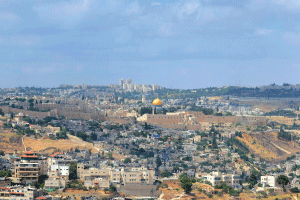
So how did they deal with it? For the answer we turn to Avi Flax our tour guide for the day. He meets us inEast Talpiot in a neighborhood called Armon HaNetziv at the Haas Promenade. This location has been identified as the most likely place from which Hashem showed Avraham Avinu Har HaMoriah where the Akeidah would take place.
Create a free account to keep reading.