Aviezer Wolfson gave us "Mah Ashiv" — and so much more
It’s Sunday, the first day of Chol Hamoed Succos that visitors from chutz l’Aretz can travel,and at the Kosel, the traditional Bircas Kohanim, Shacharis, and Mussaf service is taking place. As tens of thousands of Jews stand together, singing Hallel in unison, one niggun stands out — “Mah Ashiv LaHashem Kol Tagmulohi Alai (How can I repay Hashem for all His bounties to me)” — a melody widely sung across Jewish communities worldwide for over four decades.
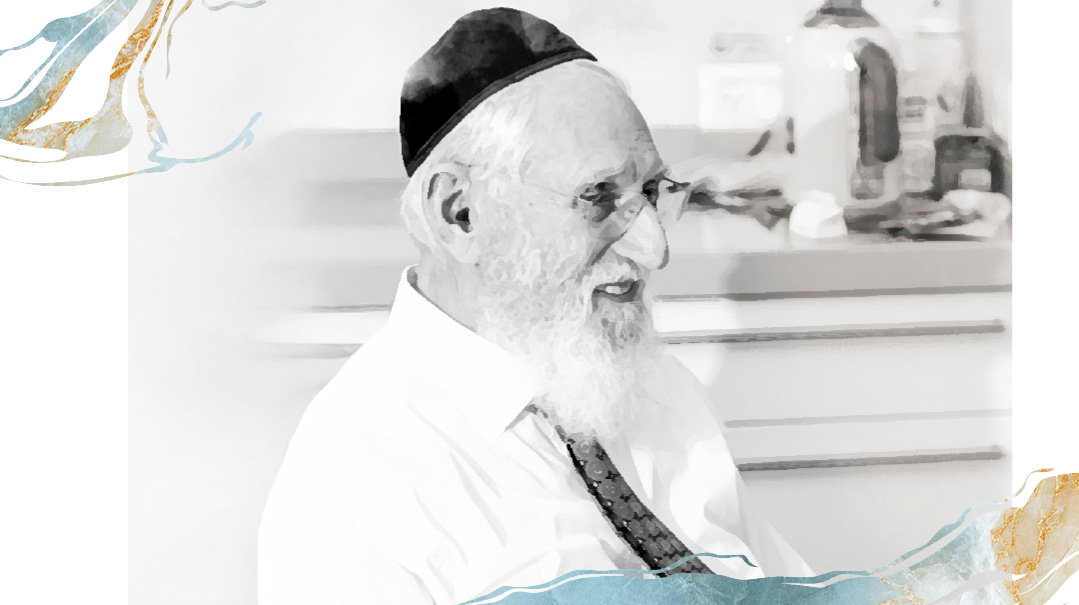
At that same time, not far away in Jerusalem’s Shaarei Chesed neighborhood, Rabbi Aviezer Wolfson, 87, the composer of that famed niggun, had finished davening in the neighborhood’s Minchas Chinuch shul and was spending the day learning in the shul’s succah. A few hours later, he was niftar.
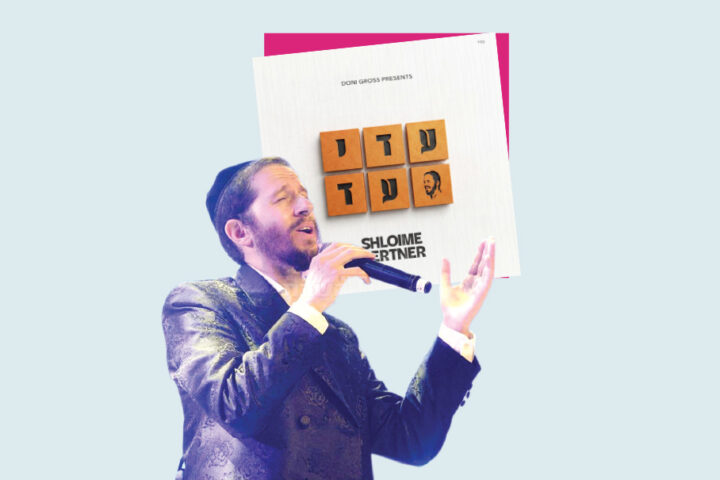
While his claim to fame among many was his universally sung “Mah Ashiv” — originally recorded by Leibele Haschel on his solo album in 1980, and then rerecorded by Mordechai Ben David on Suki and Ding’s all-star Hallel album (Rabbi Suki Berry once told Mishpacha that at the time they didn’t even know who the composer was) — Rabbi Wolfson was in fact a larger-than-life mechanech, marbitz Torah, mekarev, and philanthropist.
Aviezer Shimon Yosef Wolfson was born in London into one of England’s prominent Jewish philanthropic families, led by his uncle, Sir Isaac Wolfson, with whom young Aviezer had a close bond.
Create a free account to keep reading.