The distinction between physical and spiritual freedom is an important one
Ihave shared this story before. But every family has its own favorite divrei Torah for the Seder table — so if not now, when?
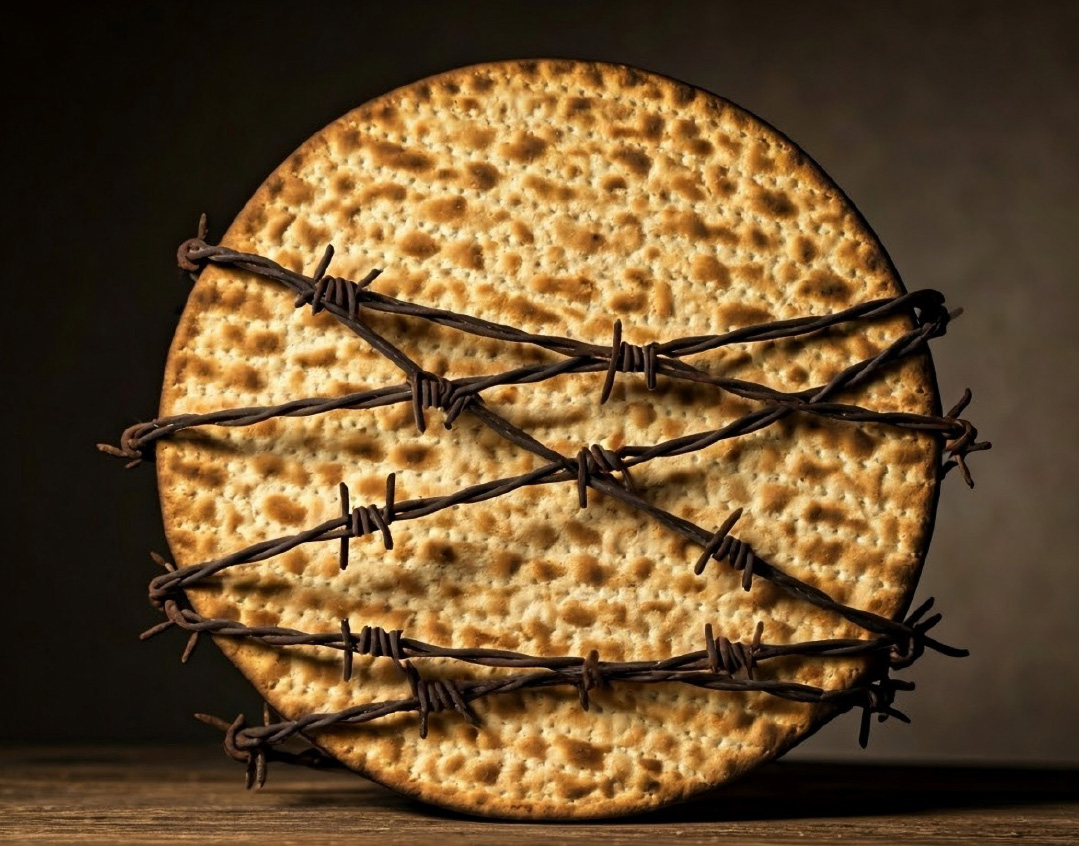
A number of years ago, Reb Yakov Brachfeld shared at Aish.com (“Passover in Hell”) something that his grandfather said over every year at the Seder. Five weeks before Pesach 5703, the Nazis yemach shemam liquidated the Krakow Ghetto. A small number of Jews, however, escaped their clutches and managed to forage in the ruins, including the brothers Mendel and Moshe Brachfeld. As Pesach approached, the two brothers found a blech, which they managed to heat using flammable paint, to bake a few matzos.
As Pesach approached, Moshe Brachfeld, the younger brother, told his older brother that there was no way he could participate in a Seder. “The Seder is to celebrate our freedom, our going out of a house of slavery,” he said. “But our family is gone — our parents, our sister, and her children were all killed. The city is up in flames. The Nazis are hunting for us with killer dogs, and won’t rest until every Jew is dead. What kind of freedom are we celebrating tonight?”
Mendel replied, “Every night in Maariv, in the brachah after Krias Shema, we praise Hashem for having ‘removed His nation Israel from their midst [i.e., the Egyptians] to cheirus olam’ — eternal freedom. The freedom referred to is not physical freedom — it’s spiritual freedom. Pesach celebrates going from being Egyptian slaves to becoming a newborn nation, a nation that Hashem calls His own. When we sit down at the Seder table, we celebrate becoming a G-dly nation. That is something that cannot be taken away from us. No matter how much they beat, torture, and kill our physical bodies, our souls remain free to serve Hashem.”
Create a free account to keep reading.