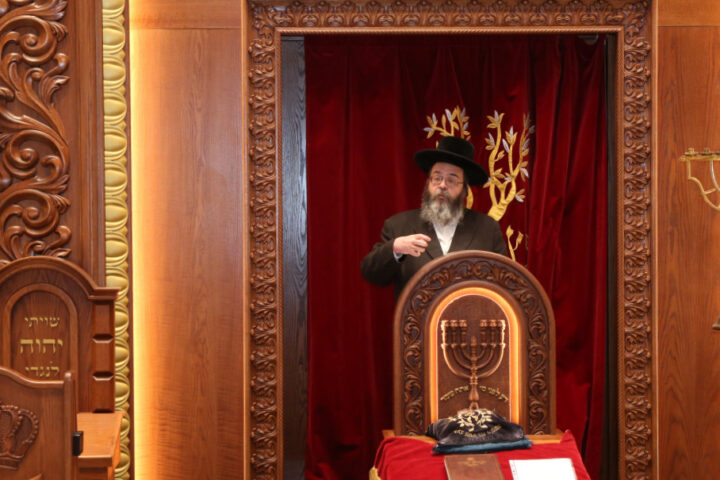
It was how Rav Mordechai Berg delivered his message that was different, the love for his balabatim in each word and gesture. And then he was gone
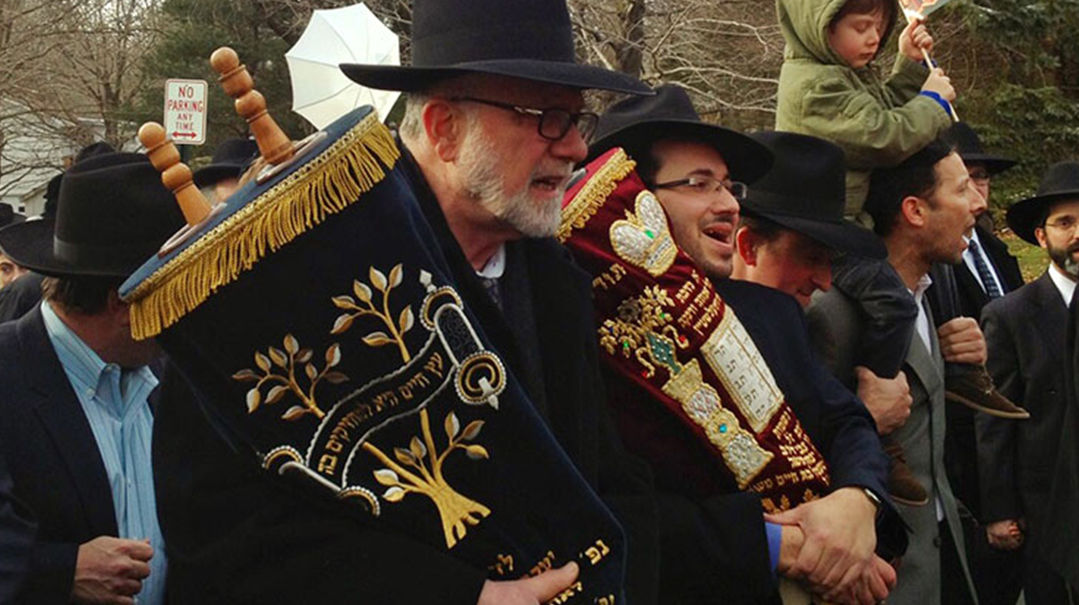
Monsey sprawls out like the work of an unpracticed city planner; neighborhoods and streets of all different sizes and shapes stopping and starting again unexpectedly.
At nine o’clock on a summer evening, a few walkers hug the sides of the winding road in the spacious Wesley Hills neighborhood as a family of deer disinterestedly chews leaves in the underbrush.
The shul appears suddenly on the right, a brightly lit building on a dark street. From the outside, Ateres Rosh looks like scores of other newly erected shuls across America.
Inside you can feel the difference.
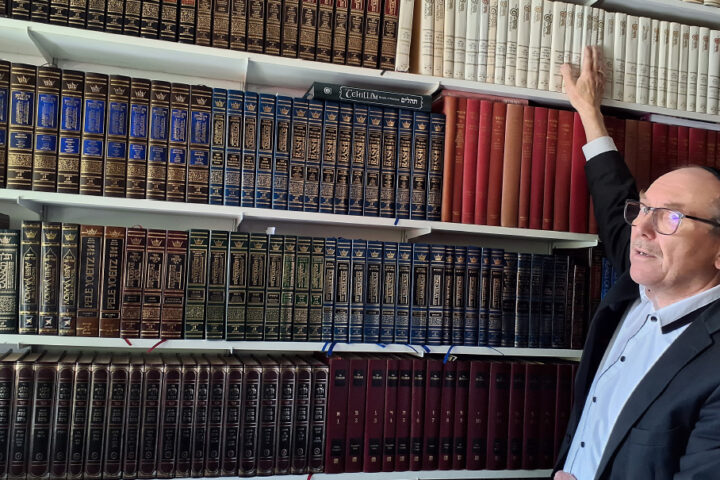
Typical American balabatim, some in suits and dress shirts, others sitting in polo shirts and blue jeans. Even with the weariness of the long workday evident on their faces, there is the way of yeshivah bochurim about them. There is a certain focus, the square of their shoulders and purpose to their walk; how they hum as they amble over to the seforim shelf in the back.
Create a free account to keep reading.