The pandemic hasn’t so much marked the dawning of a new age as accelerated pre-existing trends
How do you tell the story of a year that spans two different epochs, starting in BC, “Before Corona,” and ending in CE, the “COVID Era”?
The answer is: with difficulty — but the tale begins in the run-up to the secular new year, when two political breakthroughs decided the fate of Britain and of the country’s worried Jewish community. First was the Brexit deal in October, coming after three years in which the country’s elite did everything possible to reverse the results of the 2016 referendum on European Union membership. Finally, Boris Johnson’s caretaker government used the very real threat of crashing out of the European Union without a deal (“No Deal Brexit” for history buffs) to hammer out an agreement.
Then in December, Johnson inflicted a crushing election defeat on Jeremy Corbyn’s Labour Party — putting Downing Street out of the reach of a man who called Hamas and Hezbollah his “friends,” and on whose watch blatant anti-Semitism had flourished in the party.
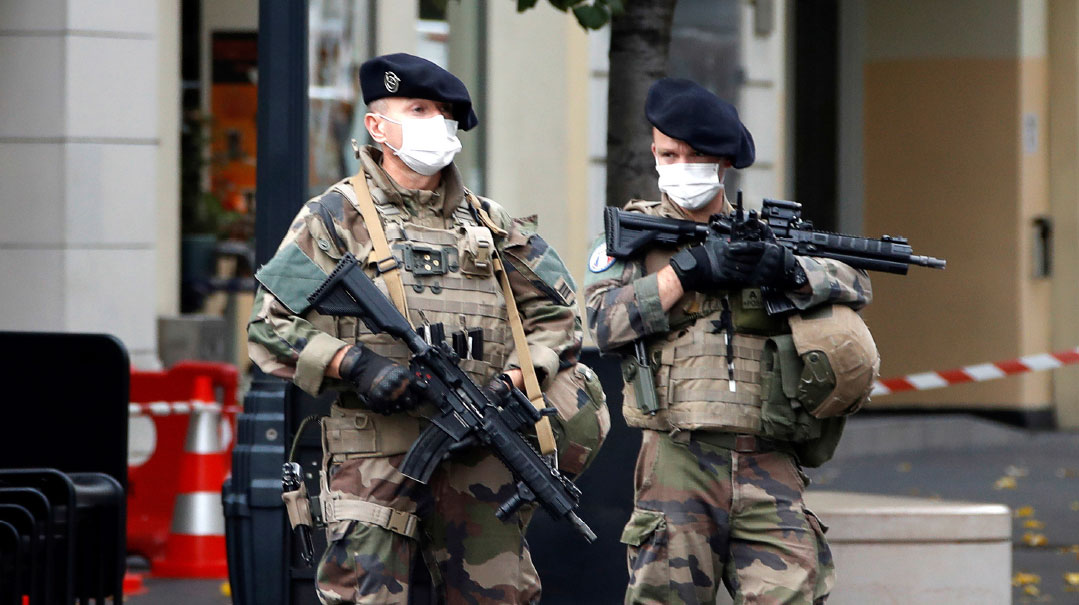
The rest, as they say, would have been history had coronavirus not transplanted itself with lethal effect to northern Italy. Pictures of overwhelmed hospitals shocked Europe, and in short order France, Germany, Denmark, and other countries locked their borders and then their streets. Belatedly, Britain did too, but the delay contributed to the country’s staggering 42,000 death toll — the highest in Europe.
Create a free account to keep reading.