“If you’re going through a brutal, inexplicable loss or any form of tragedy, I wrote this book for you”
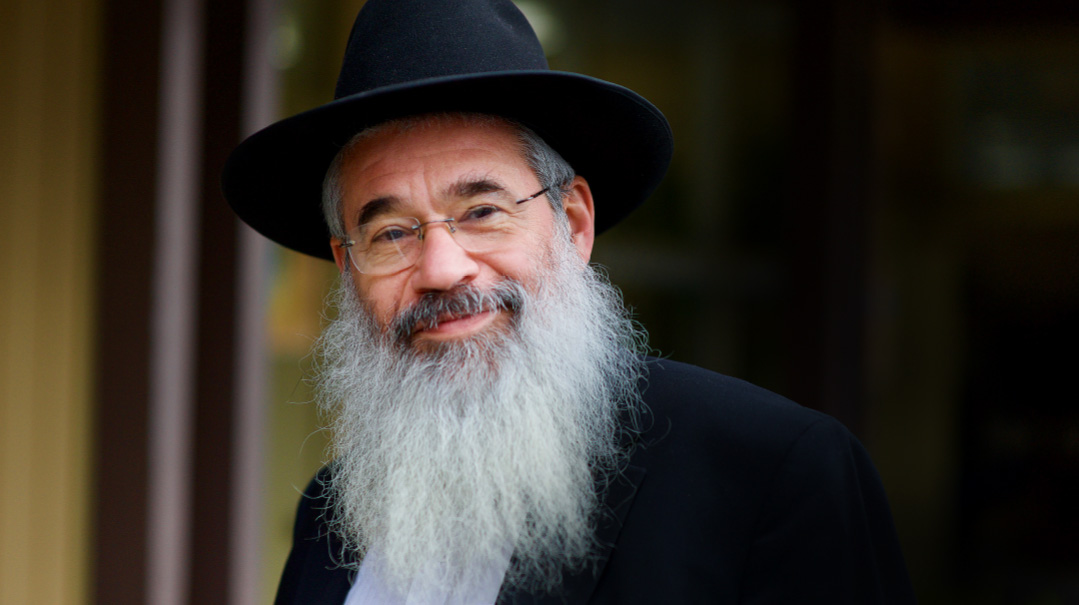
IT was the spring of 1986, and Rabbi Gershon Schusterman’s path to the future was focused and forward. He and his wife Rochel Leah (née Deitsch) had moved to Long Beach, California as a young couple in 1971 as shluchim of the Lubavitcher Rebbe, where they were raising their large family of 11 children (ranging in age from 14 to 16-month-old twins) and building a kehillah from the ground up.
Rabbi Schusterman had joined a developing day school and was soon director of the 400-student Hebrew Academy of Orange County. He was also an insightful and sought-after rabbinic advisor for others when they were faced with overwhelming challenges or grief, considering himself — well-trained rabbi that he was — as G-d’s “defense attorney,” dispensing Judaism’s time-honored answers to those struggling with tragedy and loss.
And then, his own world collapsed around him.
On a Sunday morning 10 days before Pesach, while he was teaching an early-morning class to a group of bochurim 30 miles away in Los Angeles, Rabbi Schusterman received a desperate phone call from his wife — she was feeling awful and needed medical attention. He drove home as fast as he could and raced with her to the nearest emergency room. Rabbi Schusterman sat in the lobby of the ER, praying for his wife’s speedy recovery, when just half an hour later, the attending physician approached him looking like he was about to cry.
Create a free account to keep reading.