It can be diagnosed with a simple blood test, but more than half of those with a thyroid disorder are unaware they have it. A look at the many ways thyroid imbalances impact one’s health — and what can be done to treat it.
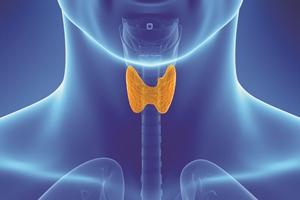
 An estimated 20 million Americans have some form of thyroid disease — yet up to 60% of those aren’t even aware of it. That’s because its wide-ranging symptoms are prone to be masked amongst other conditions or seen as part of “life”. When left untreated, thyroid problems can cause extensive damage throughout the body, and even be fatal — which is tragic considering that the disorder can usually be diagnosed with a simple blood test.
Thyroid issues don’t affect just one age group or population. The very quiet baby, the overly-nervous 8-year-old girl who has trouble sleeping, the 17-year-old boy who sweats heavily and is reed-thin despite a voracious appetite, the low-energy infertile woman, the irritable 60-year-old woman with a hand tremor, the 75-year-old man with dry itchy skin who has difficulty swallowing….all of these are among the varying faces of thyroid disorder.
“Looking back, the very first sign that something was wrong was when I was on vacation in Israel three years ago,” says Aryeh, a 39-year-old father of four. “I was hiking near the Dead Sea and as I climbed a particularly steep incline, I became woozy, saw red, and almost passed out. The incident passed quickly, and it passed from my mind as well.
“The second sign came a few months later when my wife surprised me with a birthday present of a few sessions with a personal trainer. The guy was a former college football linebacker, and his workouts were brutal. In middle of one session, I suddenly felt woozy and blacked out. I woke up to him slapping my face, his eyes wide in fright — he thought he killed me. I chalked it up to not eating enough before the workout.
Create a free account to keep reading.