Binyamin Terebelo crafts new whiskey tapping age-old tradition
Photos: Yaacov King
It’s a cold, overcast day, with frozen rivers lining the sides of the upstate roads and intermittent downpours interrupting our trip when I make the trek to the newly fermented Terebelo Boutique Distillery in Utica, New York, a five-hour trip from Brooklyn. This is the modern version of Moshke with the mashkeh, only this time it’s a 30-year-old Lakewood kollel yungerman serving Yossel and Yankel, not Ivan and Stepan. And there’s no kretshme.
I can tell the difference between Coke and Pepsi with just a sip, but I’m not a booze guy. But in the spirit of Purim I gamely go ahead, and finally we reach our destination: Utica’s brewery district. There are several other distilleries in the neighborhood, along with five-story buildings that count as “skyscrapers” here. The tenth-most-populous city in the state, Utica today serves as a dismal graveyard for its once-thriving textile industry, a victim of manufacturing’s move to China.
Distilleries are under the jurisdiction of the federal Bureau of Alcohol, Tobacco, Firearms, and Explosives, and are more heavily regulated than stock exchanges. There are guidelines for what material the walls may be made from, what kind of lock is allowed on the door, and an archaic arrangement of where barrels must be placed on the floor once taxes are paid on them. Distillers must own their factories and equipment before even applying for a license.
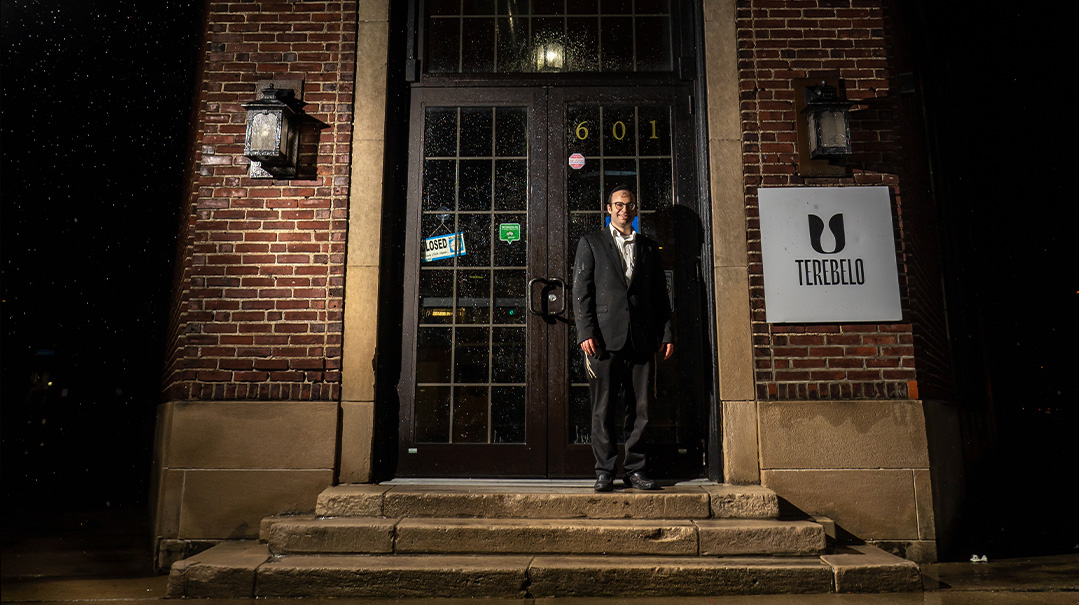
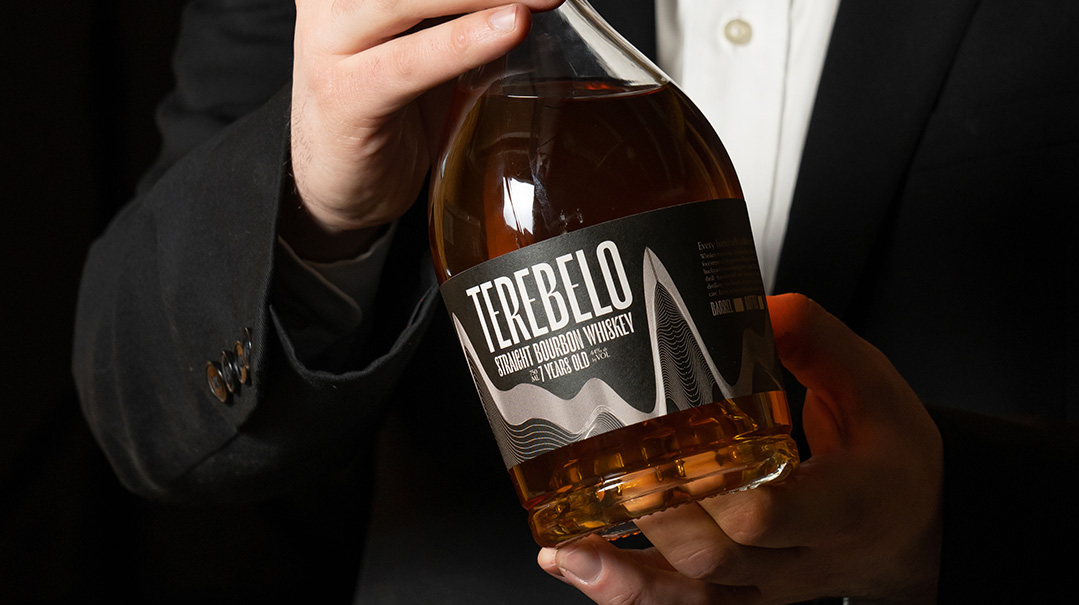
Binyamin Terebelo, always a whiskey aficionado, went pro some five years ago, purchasing the distillery in Utica and garnering a hechsher from the Star-K. He has whiskey in his genes — his great-grandfather, Reb Zelig Dov Terebelo, was a prominent bootlegger in Detroit during the Prohibition era, selling his spirits to fellow Jews. Now his descendant is taking the family business to a new high.
Create a free account to keep reading.