Parents of children with invisible disabilities share some of their struggles and tell us how we can make the world a safer, less judgmental place
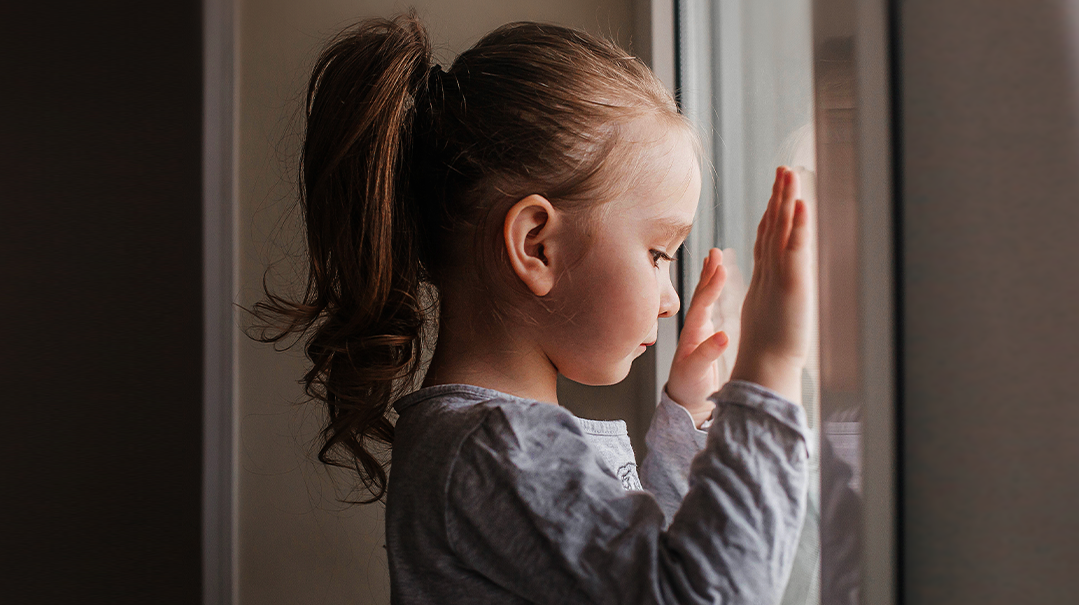
When we see someone with a visible disability, we automatically recalibrate our expectations of how we expect that person to behave. Typically, we’re less judgmental and more accepting of both the child and the parent.
But not all disabilities are obvious. About ten percent of people have some sort of invisible or hidden disability. Many of these conditions are familiar to most people, like autism (also known as ASD, or autism spectrum disorder), ADHD, OCD (obsessive-compulsive disorder), dyslexia, anxiety, and depression, while others, like ODD (oppositional defiant disorder) and Tourette’s syndrome are less familiar. And while people may toss these terms around casually, referring to themselves or others as “a little ADHD” or “so OCD,” these disabilities are real, and affect those who struggle with them in a very real way.
Dassi Shtern, director of special education and SEGULA (an inclusion program) at the Jewish Education Center of Cleveland, which services the local day schools, has worked in the field of special education for over 20 years. “In the ‘90s, the concept of inclusion was rare and misunderstood, and the number of kids with invisible diagnoses was fairly low,” she says. “People are saying ‘Why is there so much ADHD going around?’ But I would argue that invisible disabilities were very much around; people just didn’t know about them, and they weren’t being diagnosed properly.”
Raising children with invisible disabilities brings its own unique set of challenges, not least of which is that these children often look “regular.” They can even behave like neurotypical children — except when they can’t. And when they can’t, the parents are often blamed, by themselves and others, as the cause for this bad behavior.
Create a free account to keep reading.