The latest set of rules will have major impacts on how yeshivos have operated in the postwar era
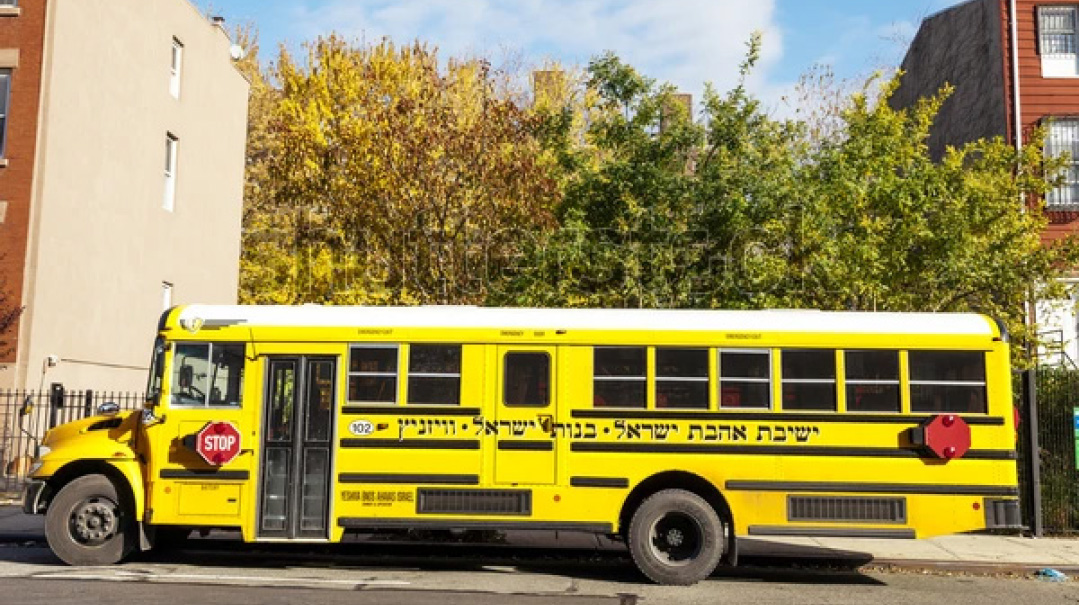
Orthodox Jewish groups objected to the previous set of revisions, which called for private schools to provide more than four hours of daily secular studies in order to meet the legal threshold of being “substantially equivalent” to state public schools. That requirement was dropped in this round and replaced with a basket of six options.
Orthodox parents still have five reasons to worry about the latest set of rules, which will have major impacts on how yeshivos have operated in the postwar era.
To Agudath Israel’s Rabbi Chaim Dovid Zwiebel, the greatest apprehension is that yeshivos would, for the first time, be required to cede control over their operations to the state education bureaucracy.
“There are definite improvements in this version over the original one, but it still has a lot of potential problems,” says Rabbi Zwiebel, the executive vice president of Agudath Israel of America and chairman of the Committee of New York City Religious and Independent School Officials. “Most pernicious in my mind is that the local school districts will now come into our schools and look over our shoulders, having the authority to determine that the way we do things does not satisfy the requirements of the law.”
Create a free account to keep reading.