On his sheloshim, a tribute toRabbi Pinchas Stolper, the man who made generations frum
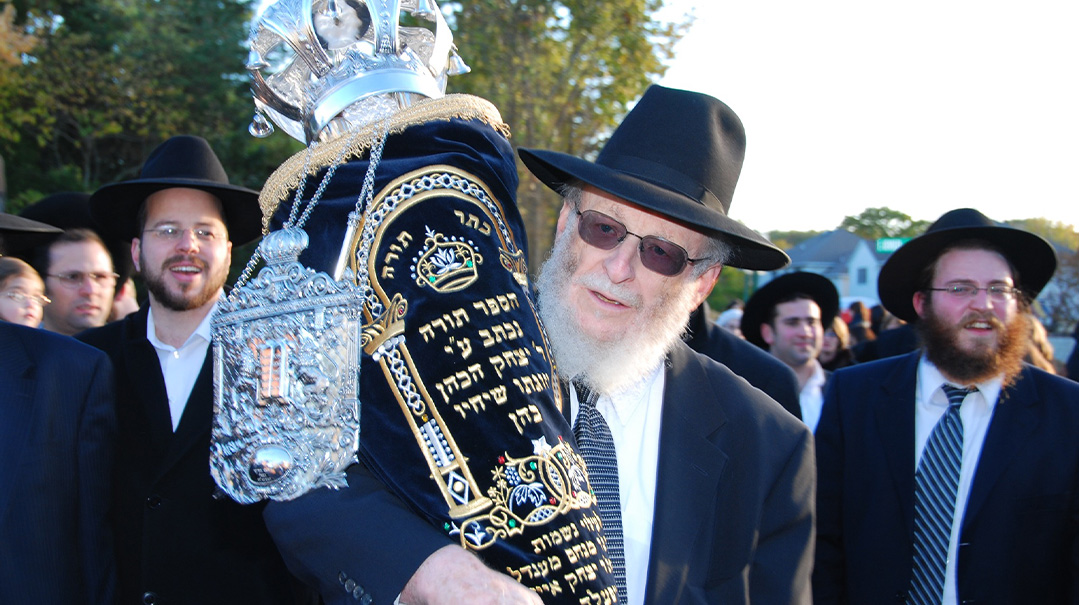
The success of NCSY, where thousands of young people over the decades discovered and strengthened their Yiddishkeit, can be attributed to one person: Rabbi Pinchas Stolper ztz”l, who was niftar last month at the age of 90. Back in 1959, when Pinchas Stolper took over the reins of a near-defunct NCSY, he was a true pioneer of the teshuvah movement, and in fact it was he who coined that phrase in a 1963 article in the Orthodox Union’s Jewish Life magazine, to describe what was to many at the time a surprising growth of a strictly halachic youth movement for public school kids.
How was Rabbi Stolper able to create a teshuvah movement in America in the 1950s and ‘60s when all others had given up on Jewish youth? And what was his secret of success in setting a halachic standard and having the confidence that his charges would rise to the challenge, instead of bending or compromising in order to attract the crowds — an ongoing debate in kiruv until today?
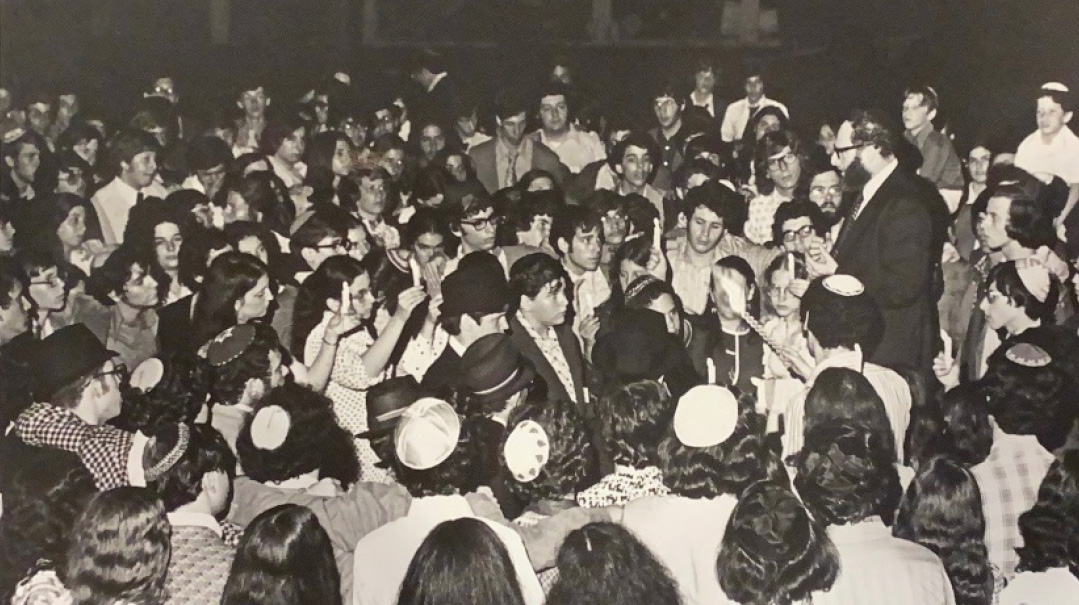
Rabbi Pinchas Stolper was born in Brooklyn, New York, on October 22, 1931, to Rabbi Dovid Dov (Bernard) and Nettie Stolper. Dovid Dov’s family originated from the Lithuanian town of Eisheshok, walking distance from Radin. By the 1880s, all four of Rabbi Stolper’s grandparents had immigrated to America, where Dovid Dov was born in 1906. Rabbi Dovid Dov Stolper, a natural orator and leader, was drawn to the rabbinate. His speeches were filled with passion, excitement, and idealism, and he was one of the first American Jewish leaders to publicly condemn the emerging horrors of the Holocaust.
“I was just a little boy, but those speeches influenced me,” Rabbi Stolper told Mishpacha’s Eytan Kobre in a wide-ranging interview in 2013. He said his most vivid childhood memory was that of his father sitting in front of the radio crying, as he listened to reports of the Nazi atrocities after the Germans invaded Poland in 1939.
Create a free account to keep reading.