Only tough measures could save our shul's crumbling decorum
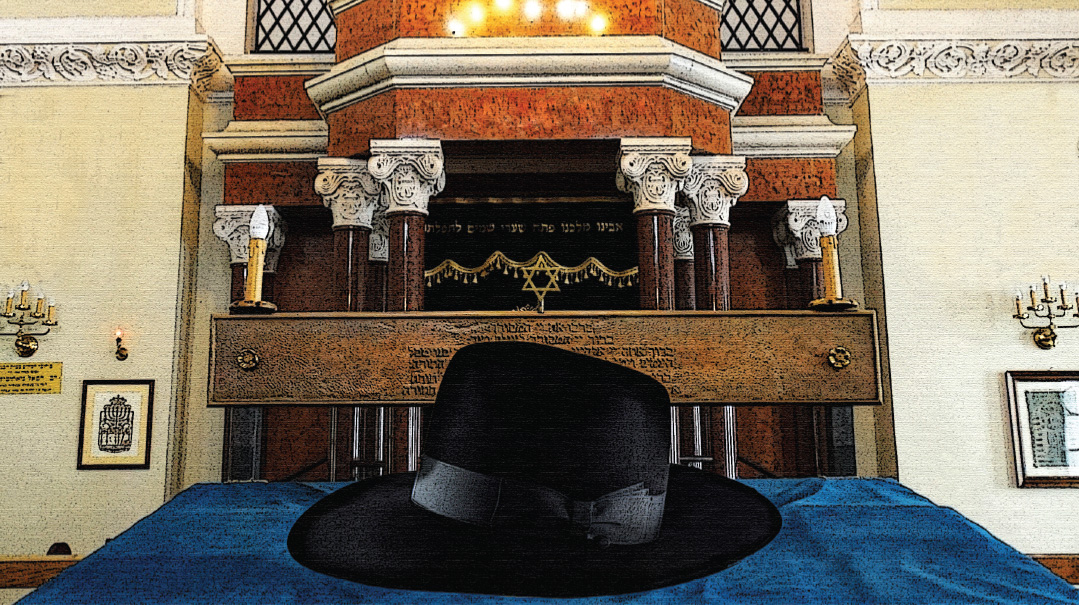
You want to know what’s really going on in a shul, speak to the gabbai.
He’s the one who sees the way things are going, when a community is growing, shifting, changing. Trends start small, it’s hard to notice subtle changes, but when you’re looking at the crowd, week in and week out, you get a bigger picture, and often, it tells you a lot.
I’ve been the gabbai at Khal Beis Avrohom for a few years now, and I’ve watched the community grow, the core group of members turning into a respectable size kehillah. We started off as a group of guys in their thirties, though by now the founding members are beginning to marry off their kids, and we have a younger crowd as well — the older members’ sons, some young men from the neighborhood, the avreichim who learn in the kollel that uses our premises.
All in all, it’s a nice, cohesive crowd, serious bnei Torah who are committed to the shul and to the rav. And notably, it’s a shul that displays kavod for tefillah. Rabbi Eisenstein, the rav, has always stressed the importance of not speaking in shul during davening, and the kehillah really adheres to that. It’s a point of pride for the mispallelim that the shul is silent during davening and leining.
Create a free account to keep reading.