The best indication that the bodyguards for Israel’s Yom Tov guests are doing their job is that you can’t even tell they’re around
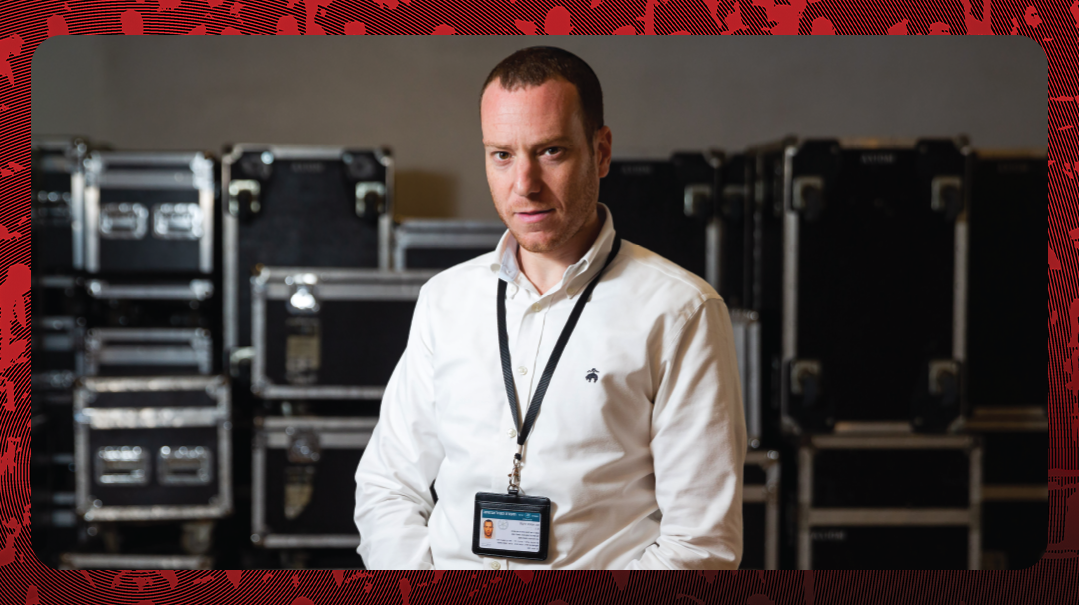
Of course, he doesn’t mention names — that would be the first breach in a profession requiring tight-lipped discretion — but you can probably guess who at least some of those gvirim might be.
Many VIPS around the world consider a bodyguard, or what’s known as “executive protection,” something of a status symbol while on vacation, although others hire personal security because of real fears of kidnapping or terrorism. While some visitors to Israel are nervous about lone-wolf terror shootings or stabbings, many of Dreksler’s clients need another kind of protection: As famous (and easily recognized) givers renowned for their generosity, they need a balance between tzedakah opportunities and family time, while passionate, driven collectors can be quite creative when it comes to finding out where wealthy visitors are staying.
“Of course, they also want to feel safe going to kivrei tzaddikim, Chevron, Har Hazeisim, Kever Rachel, and other places that might seem risky,” says Dreksler, whose company is also in charge of security at Jerusalem’s Binyanei Ha’umah convention center.
“The first thing I check is what the primary need is. If it’s making sure a philanthropist gets private time outside of his tzedakah hours, then sometimes I’ll arrange for a burly crowd-controller. But some of these people have bodyguards year-round because of fear of theft or even kidnapping. And there are those who need a bodyguard because their insurance forces them to.
Create a free account to keep reading.