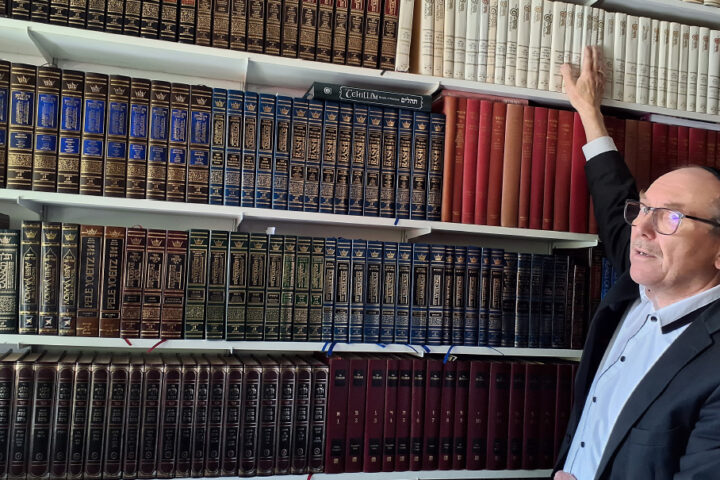
MK Meir Porush demanded sweeping powers to plan this year’s Lag B’omer event. Will he succeed?
Two sacred mountains have preoccupied Netanyahu’s sixth government from its inception, almost obsessively. The first is Har Habayis, where Jewish pilgrimages (in violation of halachah) caused Netanyahu diplomatic and security headaches over the chag. In the last days of Pesach, for the first time since becoming prime minister of a fully right-wing government, Netanyahu unilaterally decided to ban Jews from ascending the mount during the last week of Ramadan.
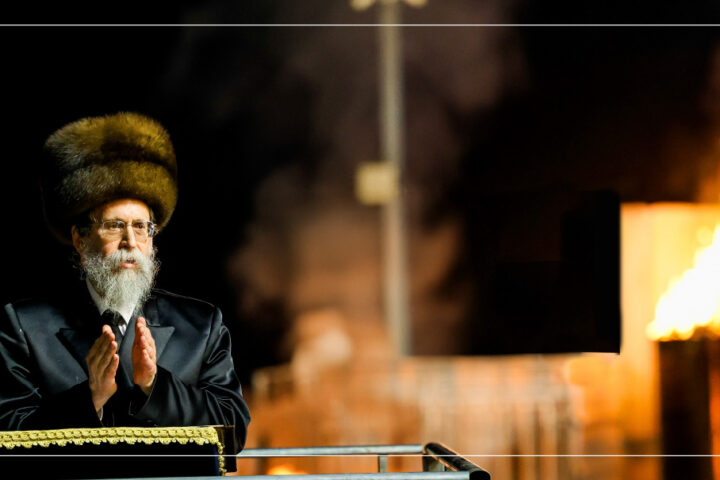
But it’s the second mountain, Mount Meron, that will take prominence, both politically and religiously, starting next week, with Lag B’omer. In chareidi eyes, especially those of the chassidim, the annual hadlakah at the mount is sacrosanct. Or as Shas chairman Aryeh Deri, chair of a Sephardic movement who grew up in a litvish beis medrash, noted with irony: “I’ve discovered that for some chassiduyot, the holiest mountain of all is actually Mount Meron.”
The Meron disaster of two years ago, in which Israelis as well as visitors from abroad lost their lives, has cast a pall over the annual celebration. In the political realm, it has haunted three of Israel’s leading politicians who have returned to the forefront after a year and a half in the opposition.
The first is Prime Minister Binyamin Netanyahu, who was stunned when the Meron disaster commission put him on warning. The second is Amir Ohana, then minister of public security and current speaker of the Knesset, also under warning from the commission. And the third is former interior minister Aryeh Deri, who can bentsh hagomel for having emerged unscathed from the disaster — not only literally, but also with regard to the commission’s investigation.
Create a free account to keep reading.