The Sforno was clear that worldly achievement was just a means to a loftier end
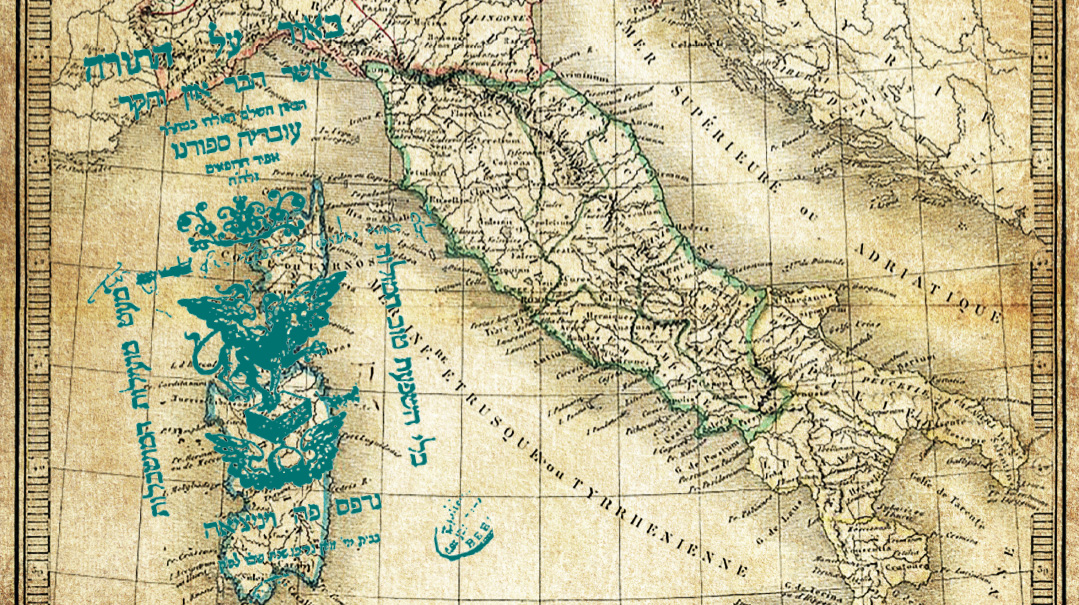
Amid this ocean of bigotry, Renaissance Italy was a dazzling exception. In the land of strict Catholic dogma, a new flourishing of culture and learning had begun. Its broad horizons sprang from a spirit of humanism in which Jews and their scholarship began to find acceptance.
In this island of tolerance, in about 1470, was born one of the most intriguing figures of medieval Jewish history. Rav Ovadiah Sforno was a giant in many walks of life. He was at once a brilliant Torah scholar and halachic authority whose concise commentary graces every mikraos gedolos Chumash; a renowned physician and for a time a banker; a philosopher, and teacher of one the era’s foremost Christian thinkers.
This résumé would seem to classify the “Sforno,” as he’s known to Jewish posterity, as the Jewish world’s version of the “Renaissance Man” — a polymath with expertise in many diffuse areas. In line with this notion, the Sforno is commonly compared to the Rambam, another acclaimed Torah scholar who was active as a physician.
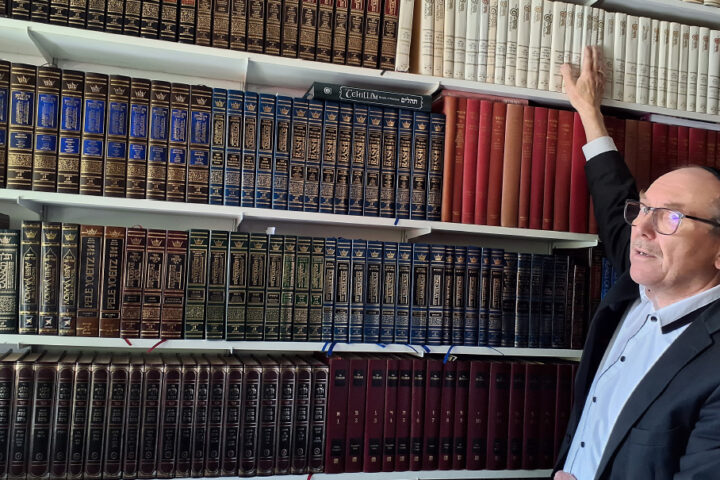
But the Sforno is more enigmatic than simple parallels suggest; much about his life and impact remains a mystery. Rabbi Moshe Kravetz, a scholar who has dedicated his life to exploring the Sforno and his works, has managed to dispel at least some of the murkiness.
Create a free account to keep reading.