Forgive or forget? Maury Litwack on political mea culpas
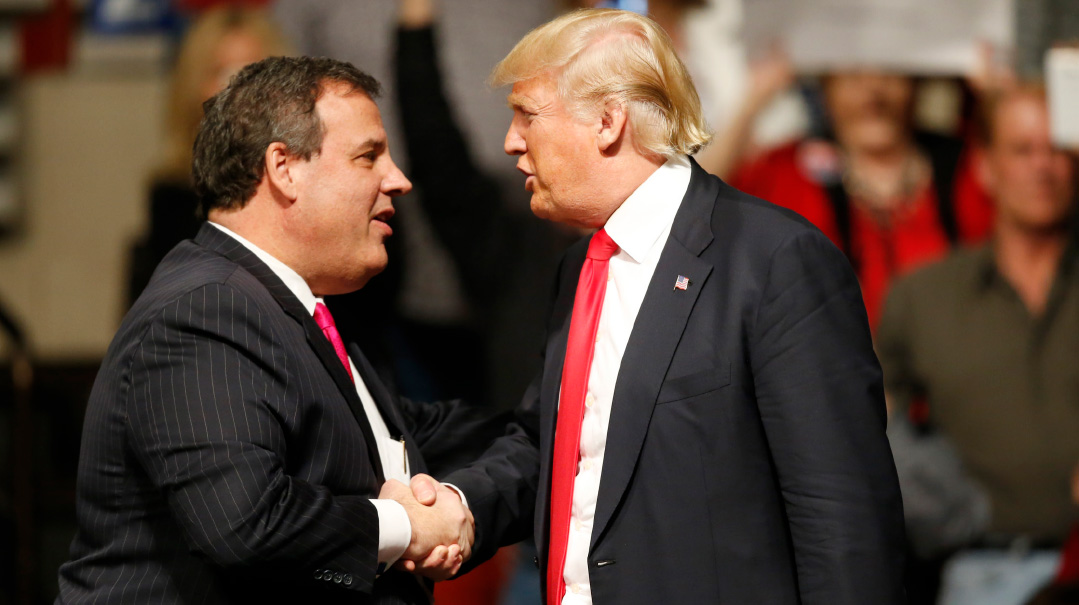
Photo: AP Images
There is an old Washington saying, often misattributed to any number of politicians, that has become the stuff of DC lore: “If you want a friend in Washington, get a dog!”
In two decades of political work, I have unfortunately found it to be true: In the heat of battle, it is hard to find friends you can rely on. Too many will lie about their intentions. Too many will deceive when you finally need their vote. Too many will inject their own drama into policy matters. But then the dust settles, and what remains are often people who can become allies and even friends. Is there a period of reflection and teshuvah that goes into this dynamic?
I doubt it.
I believe instead that another famous political quote applies. Lord Palmerston, a British foreign secretary in the 19th century, said: “We have no eternal allies, and we have no perpetual enemies. Our interests are eternal and perpetual.” This quote about foreign policy sets political relationships in their appropriate context. When the interests are shared, enemies can become friends; and when interests conflict, friends can be discarded. We know this formula applies in politics because our presidents have taught us this lesson time and again.
Thomas Jefferson instigated one of this country’s earliest political feuds, with John Adams. The two had once been friends, working together in the Continental Congress and on the Declaration of Independence, serving together as diplomats in France and in the first administration under President Washington. Until Jefferson ran against Adams for the presidency in 1796, and then ultimately defeated him in an 1800 rematch. They remained opponents for years, until long after their presidencies were over. Near the end of their lives, they were reconciled, and they began to write letters to each other for the next decade plus. Jefferson and Adams’ correspondence, totaling some 100 letters, ended when they both died on the same day: July 4, 1826.
Create a free account to keep reading.