WELLBEING → A BETTER YOU Issue 996 · January 24, 2024

Mindscapes: Issue 878

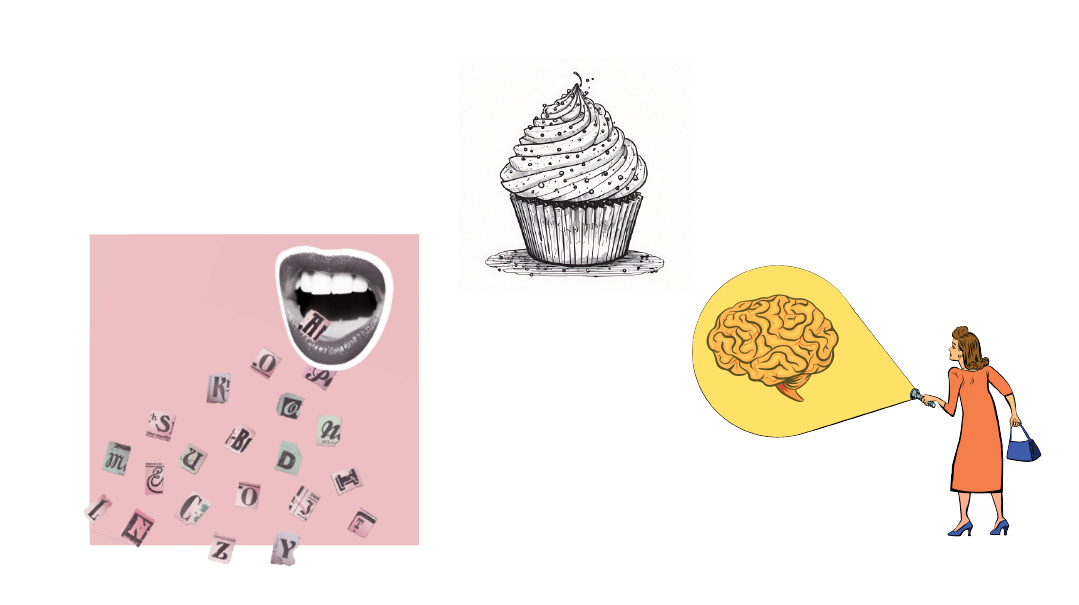
Storytelling has been recognized as a “fitness activity” for the brain
Mindscapes: Issue 878
Mindscapes
Abby Delouya


How to Improve Mental Health through Storytelling

AS a trauma therapist, I witness the power of attributing words to feelings, to naming enormous emotions, talking about them, and thereby often reducing their power and control. Words create realities. They make the infinite and abstract become finite and concrete. When something is finite, it becomes minimized and therefore easier to process. Research from the field of narrative psychology shows a link between narratives and well-being. Exploring personal stories, reflecting on them, changing these narratives, and sharing them might feel vulnerable but it also helps us grow and heal.

Storytelling can take the form of sharing our own personal narratives about our specific journeys. Even making up stories or sharing folklore can lead to improved mental health.

Storytelling:
  • Increases empathy and memory retention: When we connect with the characters in a story, our brain releases oxytocin. Oxytocin is associated with empathy, a building block in helping us connect and deepen our relationships. We also know that we remember facts 22 percent more effectively when they are tied to a narrative.
  • Fosters imagination, which builds brain health: Storytelling has been recognized as a “fitness activity” for the brain, as it engages multiple senses, expands thinking, promotes active listening, and increases optimism, which can better help us cope with adversity.
  • Helps us build from success and failure: When we share our success narrative, it increases our self-esteem and increases motivation. Sharing failure narratives can be really powerful when framed in a way that appreciates our attempts and gives credit for facing challenges. The flip side of this is that engaging in negative narratives can reinforce poor self-image or victimhood.
Relationship Reflections: Don’t Text and Fight

Any big, important conversations should not be done over text. Duh. However, sometimes a quick, seemingly nonconfrontational text can meander its way into a fight. All of a sudden, you’re furiously texting, sending off responses at lightning speed. Why is this so harmful to relationships?

There’s no vocal tone. A matter-of-fact sentence can sound harsh or insensitive. Even the use of emojis may come off as passive aggressive or confusing if your spouse is reading your text as harsh.

Continue reading with Mishpacha.

Create a free account to keep reading.

Everything you need to stay close to Mishpacha.
← Previous installment The Wall of Awful   Next installment → I Kid You Not