“Israel’s ability to achieve its full military objectives has been hamstrung by the weight of the international community turning against it”
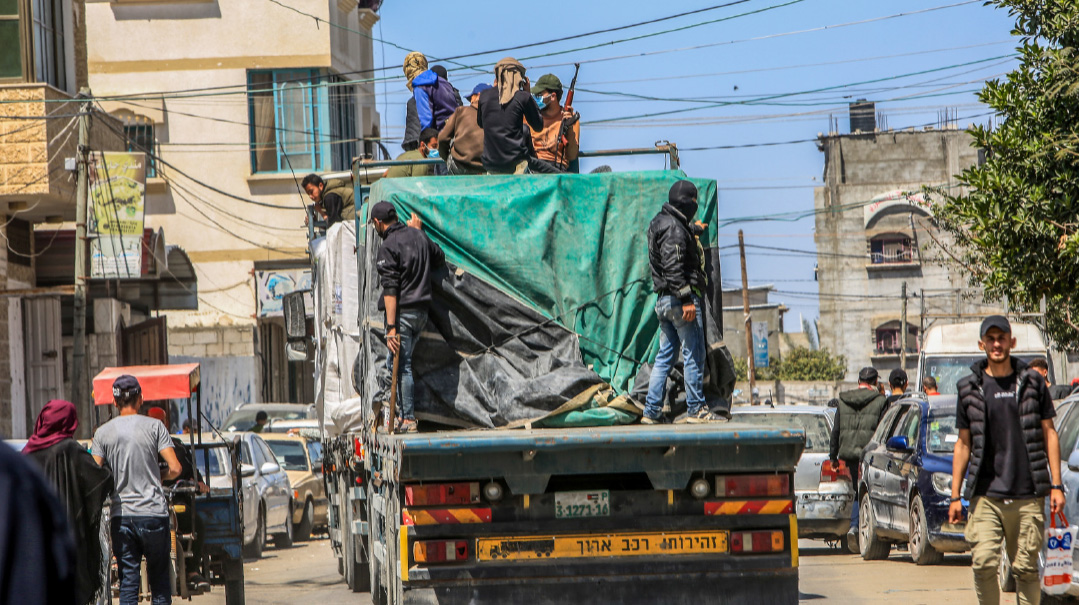
In part, this was always to be expected. Many of Israel’s previous wars ended not because Israel wanted them to, but because international pressure was brought to bear for a cease-fire. In the most striking instance, Israeli forces, having rebounded from the crippling early losses of the Yom Kippur War, were well on the way to Cairo and Damascus before superpower intervention and the threat of nuclear war stayed their hand.
More recently, in conflict after conflict, whether the Lebanon War of 2006, or Operation Protective Edge in 2014, Israel’s ability to achieve its full military objectives has been hamstrung by the weight of the international community turning against it.
For many reasons, then, we should not be surprised by the emerging situation, but instead by how long it has taken to reach this point. Particularly given the torrent of disinformation unleashed on social media channels that didn’t exist in many previous neighborhood altercations, and the accompanying protests and discord seen on Western streets.
No doubt, the truly heinous acts of October 7 — when all the atrocities committed against Israeli civilians could not be denied, given the proud broadcasting of their crimes by Hamas terrorists — helped in creating more breathing room than was customary. But it seems that even the ritual utterings about the plight of the remaining hostages have now been overtaken by the siren song of the requirement for an immediate Israeli cease-fire, without any concessions by Hamas.
Create a free account to keep reading.