Despite the fact that such personalities themselves are often forgotten, their legacies are often exceptional and distinct
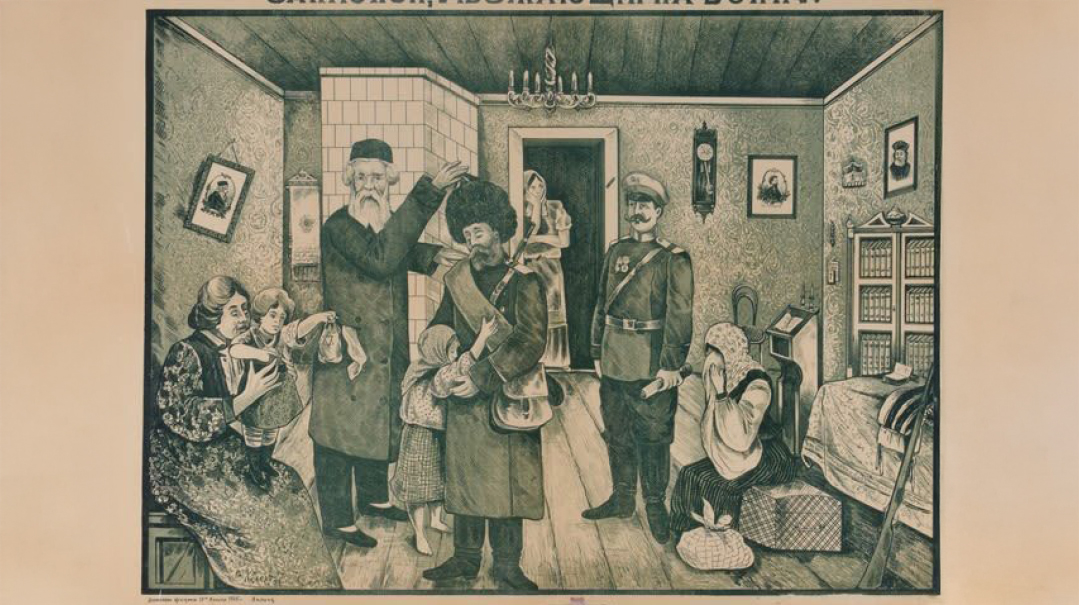
While most major Jewish historical figures make their mark as great Torah leaders, halachic decisors, public activists, chesed pioneers, educators, philanthropists, politicians, and the like, there occasionally appears a unique individual who leaves an everlasting impact on the Jewish world through quiet initiative. Despite the fact that such personalities themselves are often forgotten, their legacies are often exceptional and distinct. Such an individual was Rav Chaim Moshe Yehuda HaKohein Blau (1912–2003).
He was born in Hamburg, and at age 19, he joined a small trend of promising bnei Torah from Germany traveling east, enrolling in the Mir Yeshivah in Poland between the wars. The German talmidim drank in the mussar shmuessen of Mir mashgiach Rav Yerucham Levovitz, who also established a Chumash shiur exclusively for the German and American students. The content of these classes was subsequently published in the six-volume Daas Torah. As one of the earlier arrivals from Germany at the Mir, Moshe Yehuda Blau developed a close relationship with Rav Yerucham.
Together with his wife, Rav Moshe Yehuda stayed with the Mir during its wartime exile, continuing to Lithuania, traversing the Soviet Union, and taking temporary respite in Japan and then in Shanghai, China, for the rest of the war.
After the war, Rav Blau and his wife immigrated to the United States. He served as a congregational rabbi for over a half century in East New York and Boro Park, and also developed a close relationship with the Lubavitcher Rebbe. During this time, he initiated a lifelong campaign to raise awareness and improve the quality of tefillin and mezuzos, publishing bulletins and delivering lectures on the topic of kashrus in tefillin and mezuzos. In particular, he focused on the pitfalls that presented with small mezuzos, which were often invalid. In addition to publishing a book on the topic, Rav Blau paid sofrim to visit far-flung Jewish communities across the US and Canada, where they would check tefillin and mezuzos free of charge and offer subsidized new ones whenever necessary.
Create a free account to keep reading.