As the standoff in the north enters a dangerous new phase, tension reigns as the two sides weigh their next moves
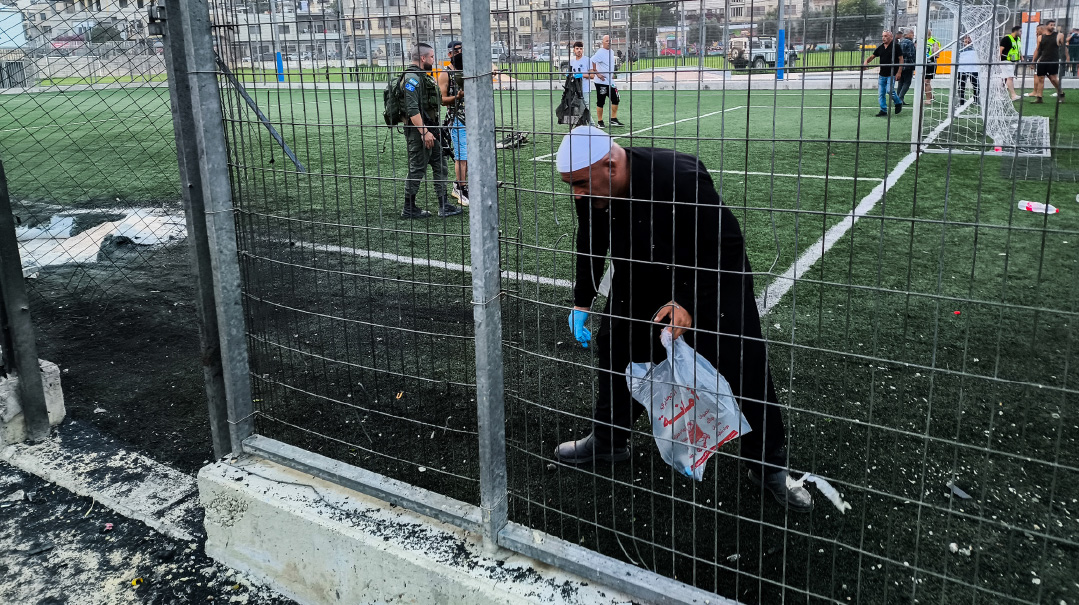
AS the Druze community of Majdal Shams in the Golan Heights buries its dead and cares for its wounded in the wake of the deadly Hezbollah missile attack last Shabbos, the entire region is on tenterhooks wondering what comes next.
Hezbollah, which is usually quick to take responsibility for its successful strikes on Israel, denied responsibility for the Majdal Shams strike — mainly due to fear of reprisals from the wider Druze community, which numbers 450,000 in Lebanon and 650,000 in Syria.
In addition, Hezbollah fears a powerful Israeli response that could lead to a wider escalation. It’s the same fear on the Israeli side that has led to the situation on the northern front, with dozens of soldiers and civilians killed and hundreds wounded; thousands of homes, as well as military and civilian infrastructure installations damaged; and hundreds of thousands evacuated.
A senior Northern Command officer says that when the evacuation order was received in the north, everyone knew it would last for a while, but no one thought it would be this long. The expectation among the IDF forces in the area was that they’d be attacking Hezbollah.
Create a free account to keep reading.