My experiences with Mordechai Strigler carry a moral lesson from which one can learn something valuable
Writers’ Note
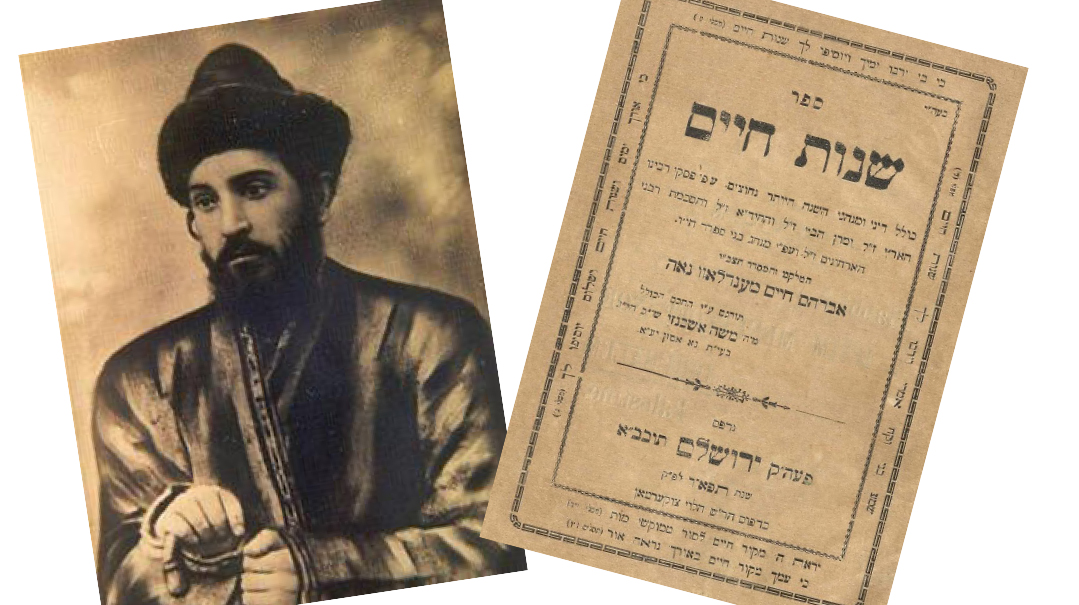
Last week’s For The Record, titled “The Finnish False Messiah,” included excerpts from an article written by the Yiddish journalist Mordechai Strigler. We received an email from a reader who asked if we had ever delved into Strigler’s background, because his story would surely be of interest. Additionally, we were pointed to an exceptional tribute to Strigler following his 1998 death, penned by Reb Yosef Friedenson, the noted editor of Agudath Israel of America’s Yiddish magazine, Dos Yiddishe Vort. We found it extremely moving and decided to share it with our readers this week in full.
(Our additions appear in a different font.)
I imagine that not a single one of our readers will, upon reading the title of this article, refrain from raising their eyebrows and wonder: Since when does Dos Yiddishe Vort write obituaries about prominent secular writers?
I have a response for this.
First and foremost, this relates to a personal feeling. We were friends, “companions in suffering,” or “brothers in adversity,” during our time in Buchenwald. There, he strengthened me, and I owe him a debt of gratitude — hakaras hatov, a core Jewish value. He earned my acknowledgment and, as is customary among Jews, a few words of praise.
But what relevance does this have to Dos Yiddishe Vort? After all, Dos Yiddishe Vort doesn’t belong to its editor, but to the Orthodox community. Did he merit recognition from this community?
Create a free account to keep reading.