In honor of the prominence of royal feasts in Megillas Esther, a glimpse at some of the most (in)famous historic banquets
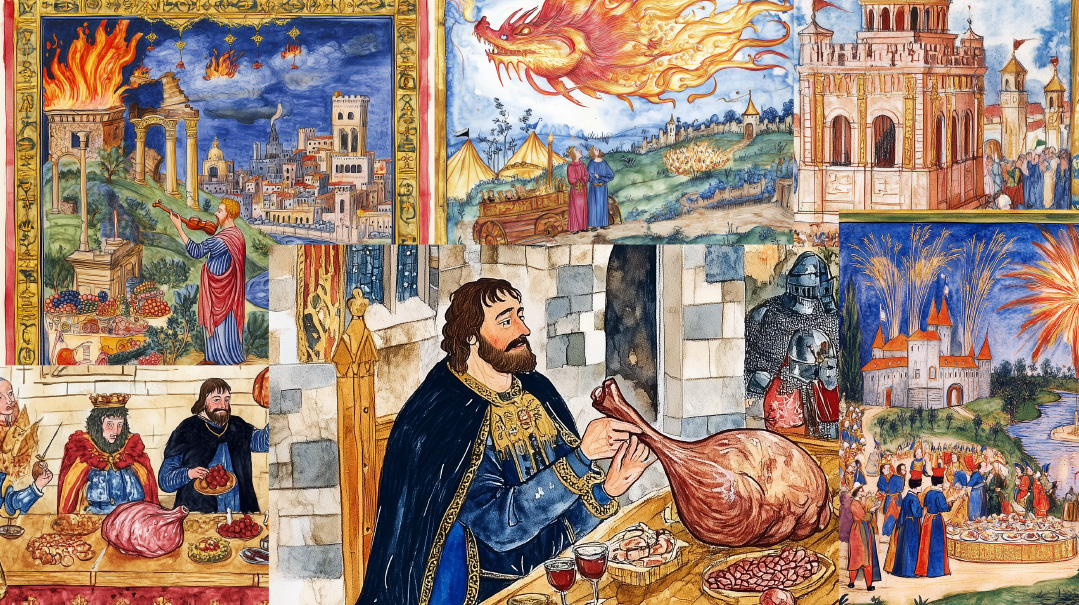
The reception was held in Brighton Pavilion, an elaborate palace near the seaside on whose construction George spent huge sums of money, and two especially memorable Carême creations were a four-foot-tall mosque made of marzipan and a pastry model of the Brighton Pavilion itself.
Carême returned for George’s coronation banquet in 1821, once again winning accolades for large desserts modeled after famous buildings. It was the last coronation banquet held in Westminster Hall. The affair is thought to have been the most expensive coronation ceremony in history, with 2,000 guests.
George ordered a crown containing 12,000 diamonds, but Parliament refused to pay for the item after the coronation, and it was dismantled.
While some monarchs successfully marketed their love of celebration to their subjects, George had no such charm. He sunk into his love of the temporal, became grossly obese, and spent most of his reign hidden away from his people and the burdens of governance.
Create a free account to keep reading.