Rabbi Sholem Fishbane shares surprising details from the kashrus trail he wishes everyone knew
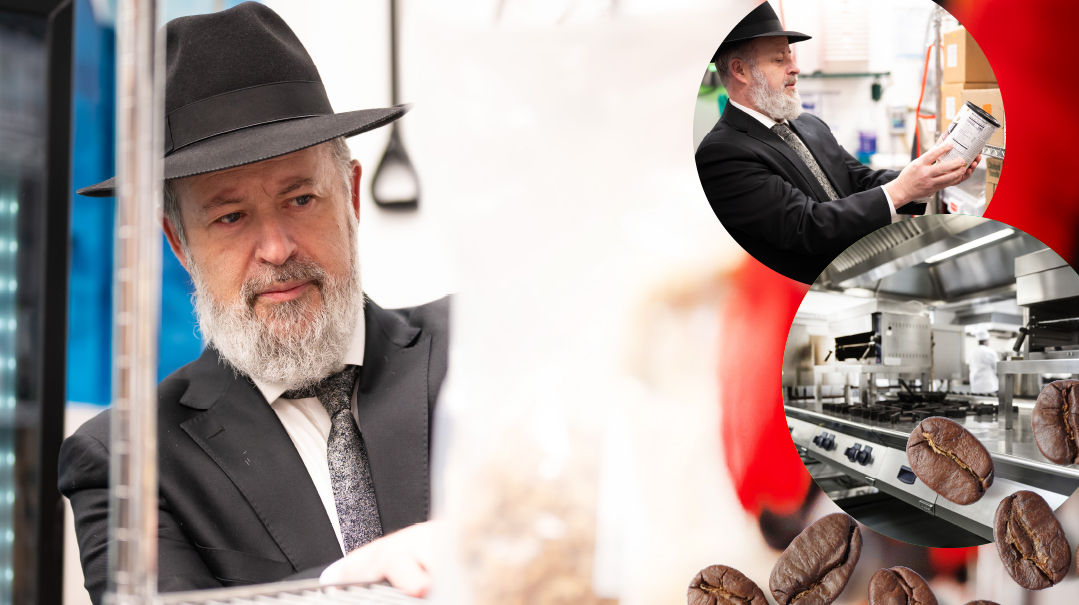
I go to Alaska every year to supervise fish factories. It’s one of my favorite places in the world, an absolutely gorgeous place where you can see the beauty Hashem has created for us, and I’d advise anyone to go over there in August, when the weather is warm and sunny.
The fish companies there raise infant salmon, then release them into the wild ocean. The way Hashem made it work is that when it comes time to spawn, the salmon swim back to the spot where they were born. The companies breed millions of fish babies and then wait for the grown fish to return at least two years later in the summer, so that they don’t even need to send out boats to make a catch.
The salmon are flash frozen and then sent to the mainland, but when I saw them dipping the frozen fish into corn water, I asked why. Apparently, it’s because the corn gives the fish a nice shine and keeps them oxygenated. Now, when the salmon is bought for Pesach, we require it to be washed off.
The next level of fish farming is going to be genetic modification. The fish farmers have discovered that if they play around with the DNA of a salmon egg, implanting some of the DNA of an eel, it takes just 12 to 14 months to grow into an adult, rather than two to three years. This fish already exists — the industry calls it Frankenfish — and here go the questions. It looks like a salmon, swims like a salmon, has the same simanim as a salmon — but has different DNA.
Create a free account to keep reading.