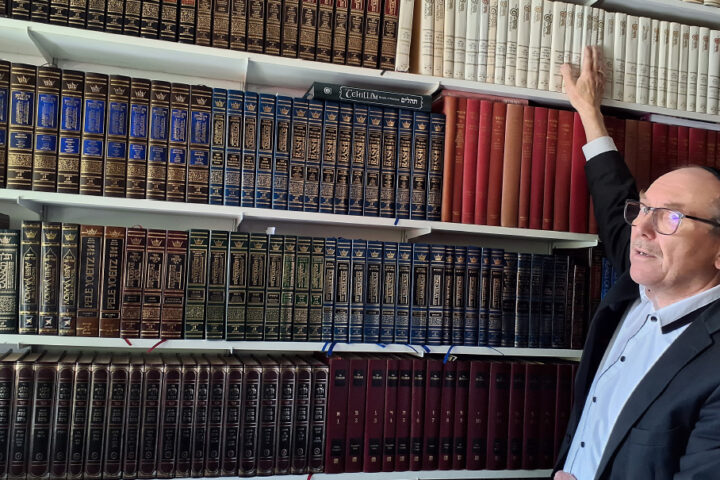
Rabbi Marcus Lehmann's pen instilled Jewish confidence in his generation and beyond
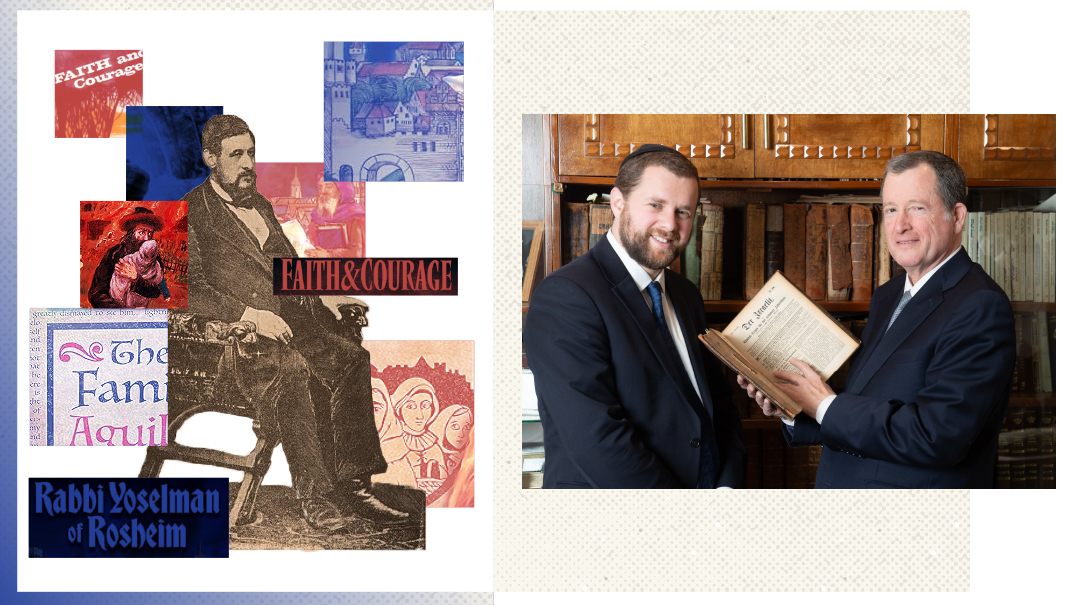
ITwas a time of great change for European Jewry.
With the wave of liberalism that swept the Continent following the French Revolution, Jews — previously confined to ghettoes and the most limited occupations — achieved unheard-of rights by the mid-19th century: Voting, attending university, and a wide variety of professional careers were now within reach.
But the floodgates of “emancipation” brought along a whole new set of challenges for European Jews. Many Jews, heady with their new rights and eager to gain acceptance in a Christian-dominated society, began to shed their religious observance. Some, with their eyes on government positions and university professorships, even converted to Christianity.
Then there were those who believed that the only way to remain a Jew in the new, “enlightened” era was to “update” Judaism to modern times. If shuls were renovated to resemble churches, and kashrus and other “outmoded” mitzvos discarded, Jews could take pride in their heritage. Not only that, but they would also be more respected by Christian society and thus more likely to retain the tenuous rights they had so recently earned. Thus the Reform movement began.
Create a free account to keep reading.