How Jewish music was made accessible back in the days of old
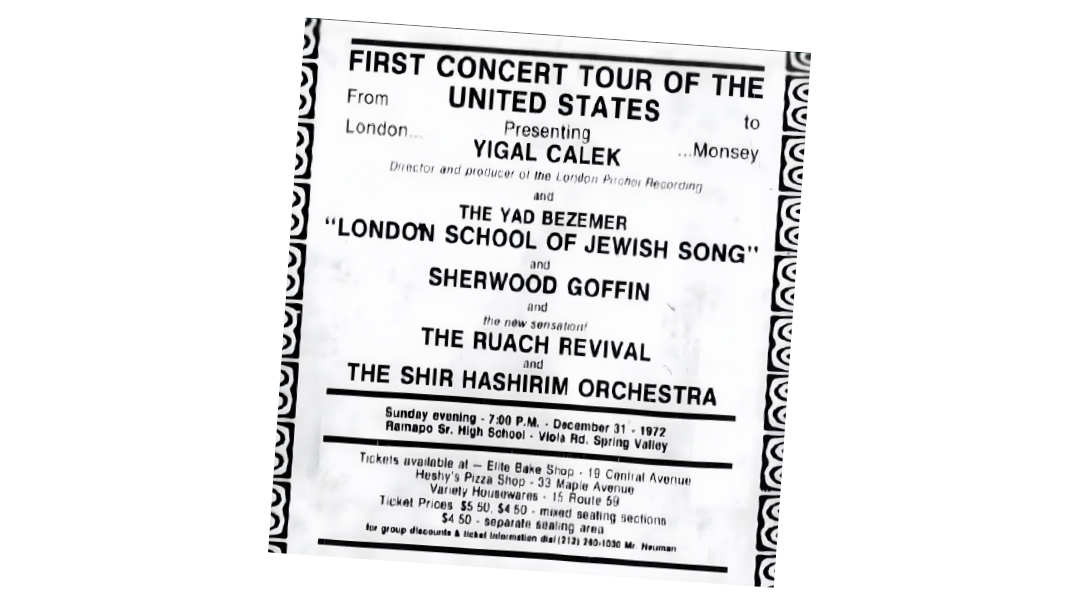
Now, if you listened to the first song on a record and you weren’t so impressed, you could lift up the needle and move it over to the next set of grooves, or flip the entire thing over and listen to Side Two. But I had a trick that was my specialty: On most record players, you were able to change it from regular speed (33 1/2 rpm — revolutions per minute), and move it to 45 rpm, which meant that the record would speed up and go at 45 revolutions per minute. That, for some reason, was the speed for the smaller seven-inch vinyl singles, or “45s,” which only contained one song on each side. There were also the much older records called “78s” that came out until the 1950s, where the speed was 78 rpm.
It could be that I’m dating myself with this, as records have basically been gone for about 40 years, but they’re still available for purchase on certain online sites and through private collections. There are a lot of music buffs out there who still claim that vinyl records are the best sound quality to enjoy music on — and there’s nothing like reading those old back covers while the songs are playing.
Meanwhile, there’s a lot of great a cappella music out there to keep you entertained over the next few weeks. And hey, you can go down to the basement and try to dig around for those old records, too.
(Originally featured in Mishpacha, Issue 1059
Create a free account to keep reading.